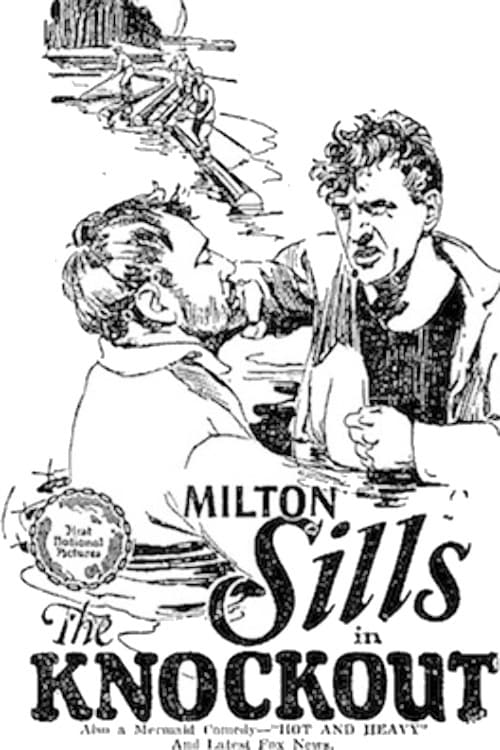
The Knockout
Plot
A Lambert Hillyer silent romantic love triangle boxing sports lumberjack logging melodrama about a world champion boxer who must retire due to an arm injury. He becomes a lumberjack, and becomes involved with the daughter of the owner, but rivals sabotage their operation, and the boxer has to return to the ring to save the owner from bankruptcy and win the hand of the daughter.
Get the Weekly Woke Watchlist
New and trending movies scored for woke bias, preachy messaging, and forced political themes — before you waste your evening.
No spam. One useful email per week.
Overall Series Review
Categorical Breakdown
The narrative is purely based on individual merit and character. The hero is a world champion boxer whose skill is the central factor in the plot's resolution, reflecting a universal meritocracy. Conflict is driven by personal greed and rivalry (Parker's sabotage) rather than race, class, or intersectional identity.
The film celebrates Western institutions and labor, specifically the professional sport of boxing and the rugged industry of lumberjacking. The hero's goal is to save the family business and win the girl, portraying institutions like enterprise and family as worthy, protective shields against chaos and villainy.
Gender roles are traditional and complementary. The male lead is defined by his protective strength and ability to provide a solution through honorable action (the boxing match). The female lead, Jean Farot, is the object of the hero's love and the motivation for his greatest act of heroism. There is no 'Girl Boss' trope, emasculation of men, or anti-natalist messaging.
The core romance is a traditional male-female pairing and a heterosexual love triangle. The narrative structure is entirely normative. There is no presence of alternative sexual identities, gender ideology, or deconstruction of the nuclear family.
The plot is focused on physical and financial melodrama; it does not engage in spiritual or philosophical debate. The moral framework is objective: Sabotage, debt, and deceit are wrong, while a heroic, honest 'come-back' to save a family is good. Faith is not a plot point, and there is no hostility toward religion or promotion of moral relativism.
Get the Weekly Woke Watchlist
New and trending movies scored for woke bias, preachy messaging, and forced political themes — before you waste your evening.
No spam. One useful email per week.