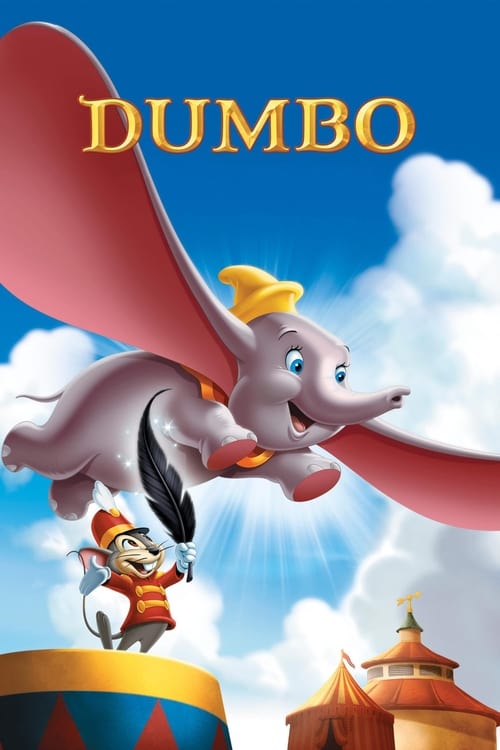
Dumbo
Plot
Dumbo is a baby elephant born with over-sized ears and a supreme lack of confidence. But thanks to his even more diminutive buddy Timothy the Mouse, the pint-sized pachyderm learns to surmount all obstacles.
Get the Weekly Woke Watchlist
New and trending movies scored for woke bias, preachy messaging, and forced political themes — before you waste your evening.
No spam. One useful email per week.
Overall Series Review
Categorical Breakdown
The film includes a musical number featuring faceless Black circus laborers (roustabouts) and the scene with the crows, which is a notorious example of racial stereotyping from the era. The lead crow character was named Jim Crow, referencing minstrelsy and segregation laws, and the crows speak in a Southern African American dialect. This directly involves immutable characteristics (race) in the narrative via negative caricature.
The narrative criticizes the internal cruelty and intolerance of a small social group (the conformist elephants and the greedy circus management), not Western civilization, home, or national heritage. The ultimate resolution celebrates individual merit and success.
The core emotional center of the film is the unconditional, protective love of Mrs. Jumbo for her son, a strong celebration of motherhood that is the opposite of anti-natalism. The female elephant characters are divided into the good, protective mother and the mean-spirited, gossiping conformists.
The film contains no themes related to alternative sexualities, gender ideology, or the deconstruction of the traditional family. The family unit presented (mother and son) is normative and celebrated.
The movie has a positive moral worldview that promotes a transcendent sense of good versus evil (bullying is bad, motherly love is good). References are made to 'miracles' in a positive light. There is no hostility toward religion or any critique of Christian faith.
Get the Weekly Woke Watchlist
New and trending movies scored for woke bias, preachy messaging, and forced political themes — before you waste your evening.
No spam. One useful email per week.