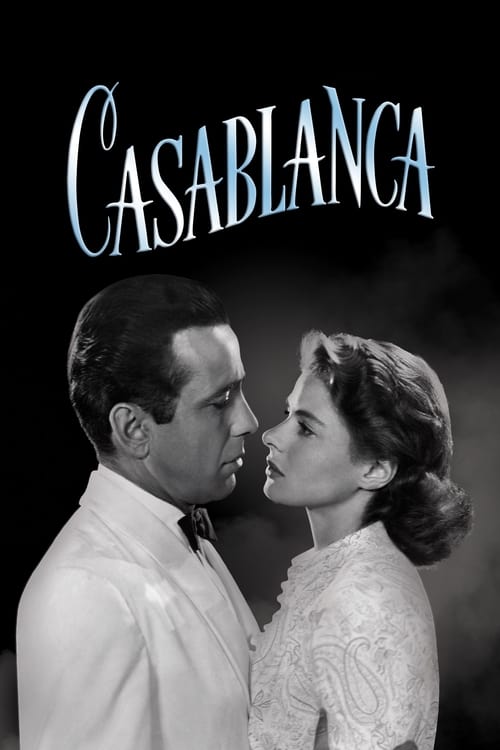
Casablanca
Plot
In Casablanca, Morocco in December 1941, a cynical American expatriate meets a former lover, with unforeseen complications.
Get the Weekly Woke Watchlist
New and trending movies scored for woke bias, preachy messaging, and forced political themes — before you waste your evening.
No spam. One useful email per week.
Overall Series Review
Categorical Breakdown
The narrative is driven entirely by the moral and political conflict between totalitarianism (Nazism/Vichy) and freedom (The Allied cause), not by race or immutable characteristics. Character merit is the sole measure of value; Rick moves from a self-interested cynic to a heroic figure through his actions, and the heroic resistance leader, Victor Laszlo, is defined by his anti-fascist commitment. The villains are defined by their political ideology, not their ethnic background. There is no vilification of 'whiteness' and no forced insertion of diversity, only a realistic snapshot of a multi-national refugee hub.
The movie is explicitly the opposite of civilizational self-hatred. It serves as a strong piece of wartime propaganda, promoting American interventionism and the Western values of freedom, justice, and resistance against totalitarianism. The film's climax is the hero sacrificing personal love to aid the anti-Nazi cause, strongly affirming the importance of the Allied civilization and the sacrifices made by its ancestors and institutions.
Gender roles are traditional, reflecting the 1940s. The male protagonists, Rick and Victor, are depicted as capable, principled, and strong figures whose masculinity is protective and heroic, culminating in a profound act of self-sacrifice. Ilsa, the female lead, is the emotional object of the story and is ultimately guided by Rick's choice for the greater good. The film focuses on the distinct, complementary roles of men and women, with the male roles being ones of decisive action and protection, which rates extremely low on the 'Girl Boss' scale.
The narrative adheres to a normative structure, centering on a dramatic love triangle between one woman and two men. The film's focus is on heterosexual romance and wartime duty. There is no presence of alternative sexual ideologies, centering of queer theory, or deconstruction of the nuclear family. The film's period context and adherence to the Production Code ensure that sexual identity is not a public or political element.
The moral framework of the film is built on transcendent morality, where a higher law of duty, honor, and sacrifice for a righteous cause overcomes selfish, personal desire. The struggle is between cynicism (selfish isolationism) and idealism (fighting evil). This moral objective truth is the core of the story's redemption arc, with no anti-theistic messaging or vilification of traditional religion.
Get the Weekly Woke Watchlist
New and trending movies scored for woke bias, preachy messaging, and forced political themes — before you waste your evening.
No spam. One useful email per week.