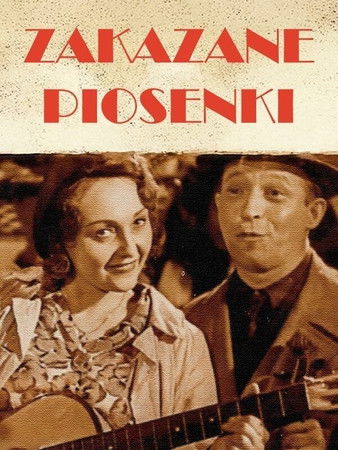
Forbidden Songs
Plot
Set during the German occupation of Warsaw during WWII, this musical tells the story of several inhabitants of the same tenement house.
Get the Weekly Woke Watchlist
New and trending movies scored for woke bias, preachy messaging, and forced political themes — before you waste your evening.
No spam. One useful email per week.
Overall Series Review
Categorical Breakdown
The narrative's central conflict is a national and ideological one between Polish citizens and German Nazi occupiers, explicitly unifying Polish and Jewish characters in shared resistance. Character merit is defined entirely by courage and commitment to the national cause, with no depiction of an intersectional hierarchy or vilification of the protagonist's ‘whiteness.’
The film is an explicit act of cultural affirmation and national gratitude, using forbidden Polish songs to preserve national identity and morale during an occupation that sought to erase it. Core Western-Polish institutions and heritage are viewed as essential shields against chaos and oppression.
Women, such as the main character’s sister Halina, are portrayed as courageous, active members of the underground resistance, running weapons and engaging in combat, which represents complementary, shared heroism in a national struggle. There are no 'Girl Boss' tropes, anti-natalism, or emasculation of male characters; the focus is on a traditional, unified family/national effort.
The film, a 1947 post-war patriotic musical, focuses on normative structures, including romantic subplots that reinforce traditional male-female pairing. There is no presence of alternative sexual ideologies, deconstruction of the nuclear family, or focus on gender theory.
The core moral framework is a transcendent objective good (national freedom, resistance) versus pure evil (Nazi totalitarianism and oppression). While the focus is on cultural resistance through music, the moral clarity and national spiritual context provide a transcendent moral law that is a source of strength, not a target of critique.
Get the Weekly Woke Watchlist
New and trending movies scored for woke bias, preachy messaging, and forced political themes — before you waste your evening.
No spam. One useful email per week.