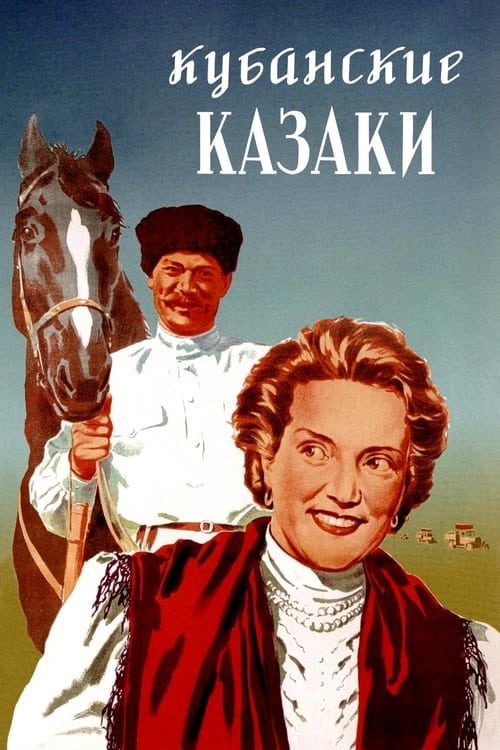
Cossacks of the Kuban
Plot
In the steppes of the Kuban love is born on two collective farms while wheat is (enthusiastically) gathered. Galina, the energetic chairwoman of one of the two kolkhozes, vies with her male counterpart for the best harvest. At the same time Gordey, her rival, a former soldier, is (and has been for ages) in love with her. On her part, Dasha a collective farm worker, has heartbeat for a young technician of the competing kolkhoz...
Get the Weekly Woke Watchlist
New and trending movies scored for woke bias, preachy messaging, and forced political themes — before you waste your evening.
No spam. One useful email per week.
Overall Series Review
Categorical Breakdown
The narrative centers entirely on competition and merit based on socialist achievement—the best harvest and exemplary work—not on race or intersectional hierarchy. The casting reflects the ethnically and culturally homogeneous setting of the Kuban Cossacks. Character judgment is based on the content of their work and their soul.
The film is the inverse of oikophobia, as it functions as a propaganda piece explicitly glorifying the home culture, the Kuban region, and the Soviet system as a source of prosperity and happiness. It romanticizes Cossack folk culture and presents the local community and nation as abundant and harmonious, actively rewriting history to fabricate this myth.
The main female character, Galina, is a strong-willed 'Girl Boss' chairwoman of a collective farm, vying with a male director, which elevates her status and score. However, her personal plot concludes with her intentionally letting the man she loves win a race, leading to a traditional union and a shared future, which balances the score toward a complementary dynamic.
The core of the film's two romantic subplots is strictly normative. It focuses exclusively on traditional male-female pairing and the formation of the nuclear family unit through marriage and 'union' between the collective farm workers and leaders. There is no presence of alternative sexualities or gender ideology.
As a classic example of Stalinist-era cinema, the film operates within a cultural and political system that officially mandated state atheism. The 'higher moral law' is the ideology and prosperity of the Communist Party and the collective farm, replacing traditional faith structures entirely. The transcendent moral order is secularized and transferred to the State, representing a profound spiritual vacuum.
Get the Weekly Woke Watchlist
New and trending movies scored for woke bias, preachy messaging, and forced political themes — before you waste your evening.
No spam. One useful email per week.