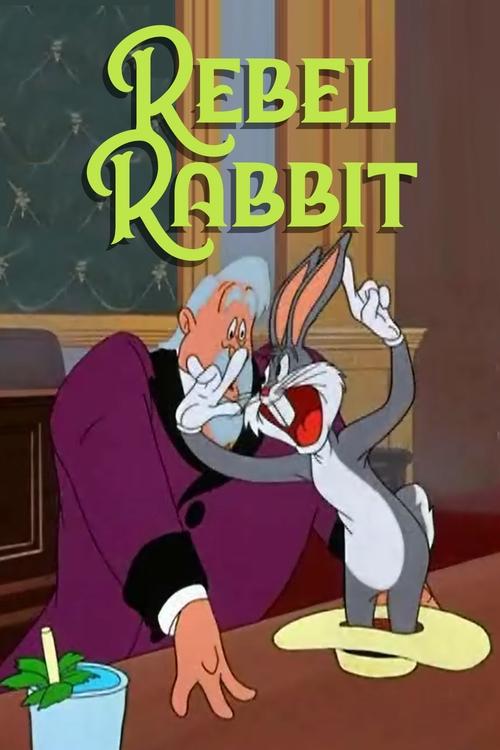
Rebel Rabbit
Plot
The signs indicate current bounty prices: $50 for a fox, $75 for a bear, only 2 cents for a rabbit. Bugs is insulted.
Get the Weekly Woke Watchlist
New and trending movies scored for woke bias, preachy messaging, and forced political themes — before you waste your evening.
No spam. One useful email per week.
Overall Series Review
Categorical Breakdown
The conflict is built on Bugs Bunny challenging the systemic devaluation of his species (rabbits) by the Game Commissioner's bounty system, demanding a higher valuation based on his individual merit for causing trouble. This is an internal struggle over individual value versus group stereotype, not a lecture on human intersectional hierarchy. A brief gag references giving Manhattan back to the Indigenous population, but it is a cynical joke about their refusal to accept it without incentive, not a serious critique of colonial history.
The plot features a high degree of symbolic hostility toward US national institutions and landmarks. Bugs' rampage includes acts of destruction against the Washington Monument, the Panama Canal, the Grand Canyon, and the US Congress, which are all framed as targets for chaotic rebellion. However, the narrative ends with the full mobilization of the United States military against Bugs, who is captured and imprisoned, a conclusion that validates the established order and contains the anarchist.
The cartoon is a classic male-centric action-comedy, with the primary characters being Bugs, the male Game Commissioner, and a male Congressman. There are no significant female characters, and the themes of gender roles, female empowerment, or anti-natalism are entirely absent from the plot.
The cartoon contains no references to sexual ideology, alternative sexualities, gender theory, or deconstruction of the nuclear family unit. The characters and conflict operate entirely outside of the queer theory lens.
The core conflict is a secular bureaucratic issue (a low bounty) and a pursuit of material value (a high bounty). Religion and faith are not discussed or referenced in any way. The resolution sees the government successfully imposing an objective, civil law (imprisonment in Alcatraz) and the protagonist acknowledging a secular moral limit, which precludes any strong messaging about moral relativism.
Get the Weekly Woke Watchlist
New and trending movies scored for woke bias, preachy messaging, and forced political themes — before you waste your evening.
No spam. One useful email per week.