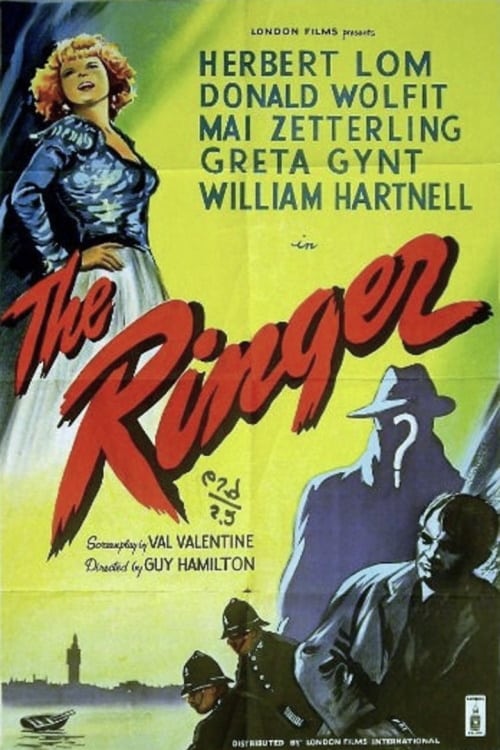
The Ringer
Plot
An underhand solicitor receives threatening notes, and the police are called in to protect him.
Get the Weekly Woke Watchlist
New and trending movies scored for woke bias, preachy messaging, and forced political themes — before you waste your evening.
No spam. One useful email per week.
Overall Series Review
Categorical Breakdown
The narrative's central conflict is a personal vendetta against a corrupt individual, not a commentary on race, class, or intersectional hierarchy. The characters' roles are based on professional position or criminal status. There is a secretary who is an illegal immigrant in fear of deportation, which is a plot device used to place her under the power of the villainous lawyer, not to critique immigration policy or privilege.
The entire story is a classic British crime drama centered around Scotland Yard and the efforts of the Metropolitan Police to maintain order in London. The institutions of law enforcement are portrayed as capable, if momentarily fooled, and the focus is on a moral wrong being righted. There is no hostility or deconstruction aimed at Western culture or ancestral values.
Female roles are distinctly complementary, with the main younger woman, Lisa, portrayed as a romantic figure whose primary concern is her fiancé and her status as a dependent. The villain attempts to keep her for himself, framing her as an object of desire and control, which is a classic damsel-in-distress trope of the era. There are no perfect, independent 'Girl Boss' characters, nor is there any anti-natalist messaging.
The core of the emotional subplot is a normative, traditional romance between a man and a woman who wish to marry. The subject of sexuality is entirely private and limited to a heterosexual dynamic. There is no presence of alternative sexualities, deconstruction of the nuclear family, or commentary on gender ideology.
The film's world operates on a completely secular moral code where an unscrupulous lawyer is punished for a clear act of personal malice and corruption. The drama is about worldly justice and vengeance. There is no representation of, or hostility toward, traditional religion, and the moral framework rests on objective concepts of right and wrong, not subjective 'power dynamics'.
Get the Weekly Woke Watchlist
New and trending movies scored for woke bias, preachy messaging, and forced political themes — before you waste your evening.
No spam. One useful email per week.