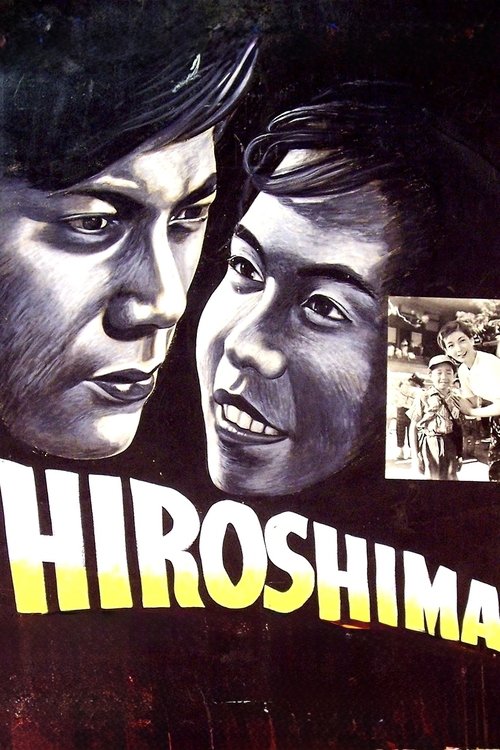
Hiroshima
Plot
Historical fiction about the aftermath of the atomic bombing of Hiroshima, Japan, on 6 August 1945, and its effects on various civilians, especially children, of that city.
Get the Weekly Woke Watchlist
New and trending movies scored for woke bias, preachy messaging, and forced political themes — before you waste your evening.
No spam. One useful email per week.
Overall Series Review
Categorical Breakdown
The film focuses entirely on the human trauma of Japanese survivors (hibakusha), not a hierarchy of immutable characteristics or modern privilege dynamics. The victims' suffering is the universal merit of the story. The narrative is national and historical, not intersectional.
The film is an indictment of the horrific political-military actions of the war's end, and criticizes the post-war Japanese government's indifference to its own victims. This is a critique of a system's failure, not self-hatred toward the core Japanese home culture or national identity.
The main female character is a dedicated teacher/civic leader whose strength comes from her care and determination, not from emasculating men or being a "Mary Sue." Motherhood and family are central themes of tragic loss and memory, not framed as a "prison."
The narrative focuses on the survival and physical/psychological trauma of the atomic bomb. The traditional male-female pairing and nuclear family structure are the unquestioned normative standard. No alternative sexualities or gender ideology are present.
The film's power comes from a deeply felt moral protest against mass destruction, implying a belief in objective moral truth and a higher law. It criticizes militaristic faith/idolatry shown as tragically ironic, not traditional religion itself.
Get the Weekly Woke Watchlist
New and trending movies scored for woke bias, preachy messaging, and forced political themes — before you waste your evening.
No spam. One useful email per week.