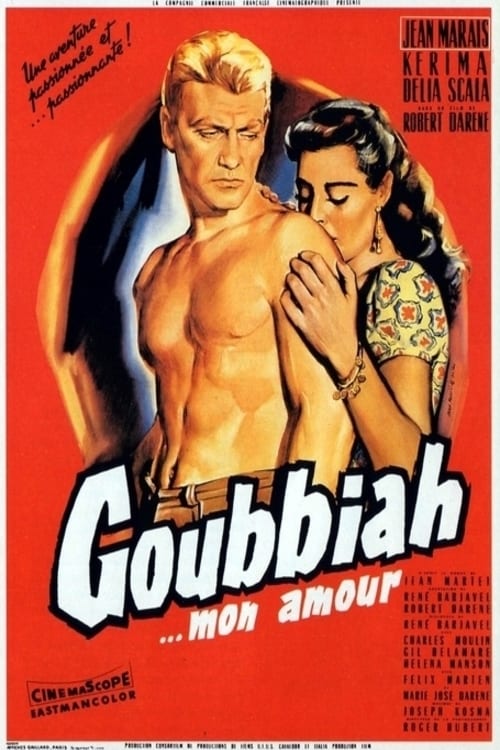
Goubbiah and the Gipsy Girl
Plot
Goubbiah is a Yugoslav sponge fisherman. He loves Trinida, but she is promised to Peppo, the village drunkard. Jao tries to keep Goubbiah away from his daughter.
Get the Weekly Woke Watchlist
New and trending movies scored for woke bias, preachy messaging, and forced political themes — before you waste your evening.
No spam. One useful email per week.
Overall Series Review
Categorical Breakdown
Characters are judged by the strength of their soul; Goubbiah’s merit (passion, integrity) is contrasted with Peppo’s vice (drunkenness). The conflict is a classic love triangle based on individual desire versus a promise, not on a hierarchy of immutable characteristics or vilification of a specific race. The focus is on universal human emotion.
The film criticizes a specific, localized tradition—the promise of a girl to a drunkard—within a small, non-Western European coastal community (Yugoslavia/Dalmatia). The narrative does not contain hostility toward Western civilization, its core institutions, or its ancestors. The theme of love triumphing over a flawed custom is a classic, universal trope that champions individual liberty and passion.
Trinida’s struggle is a classic dramatic dilemma—choosing between an oppressive, promised marriage and true love. The female lead is not an instantly perfect 'Mary Sue.' Goubbiah is an emphatically protective and vital male lead, a passionate sculptor, which celebrates a positive, masculine archetype. The narrative champions the traditional male-female pairing based on complementary passion.
The film is a purely heterosexual romantic drama from 1956. The entire narrative structure centers on the traditional male-female pairing and the formation of a family unit through love. There is no presence of alternative sexual ideology, deconstruction of the nuclear family, or lecturing on gender theory.
The conflict is driven by a social custom or 'promise' upheld by Trinida's father, Jao. There is no explicit hostility toward or critique of traditional religion. The film's moral framework champions objective truth—the moral rightness of true love over corrupt obligation—suggesting a transcendent moral order.
Get the Weekly Woke Watchlist
New and trending movies scored for woke bias, preachy messaging, and forced political themes — before you waste your evening.
No spam. One useful email per week.