Godzilla Raids Again
Plot
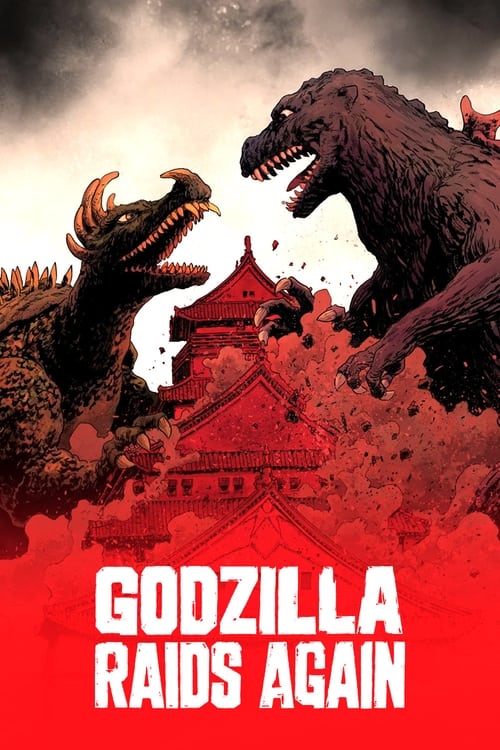
Two fishing scout pilots make a horrifying discovery when they encounter a second Godzilla alongside a new monster named Anguirus. Without the weapon that killed the original, authorities attempt to lure Godzilla away from the mainland. But Anguirus soon arrives and the two monsters make their way towards Osaka as Japan braces for tragedy.
Get the Weekly Woke Watchlist
New and trending movies scored for woke bias, preachy messaging, and forced political themes — before you waste your evening.
No spam. One useful email per week.
Overall Series Review
Categorical Breakdown
Characters are judged by their competence and self-sacrifice as pilots, scientists, and military officers, exemplifying a universal meritocracy in crisis response. There is no focus on immutable characteristics, vilification of any race, or politically motivated casting.
While the monsters destroy national symbols like Osaka Castle, the core human narrative emphasizes the heroic determination to defend and rebuild the homeland, evoking post-war Japanese resilience rather than civilizational self-hatred.
The gender roles are traditional, with male characters occupying the high-risk, action-oriented roles of pilots and soldiers, and the primary female character serving as the romantic interest and emotional grounding. Men are depicted as protective and competent without being emasculated.
The narrative adheres to a normative structure, centering a traditional male-female relationship without any focus on or lecturing about alternative sexualities or modern gender theory.
The film’s central conflict is a scientific and military struggle against a literal monster, reflecting an allegory for nuclear trauma. It contains no hostility toward religion or religious figures and adheres to an objective moral good of saving human life.
Get the Weekly Woke Watchlist
New and trending movies scored for woke bias, preachy messaging, and forced political themes — before you waste your evening.
No spam. One useful email per week.