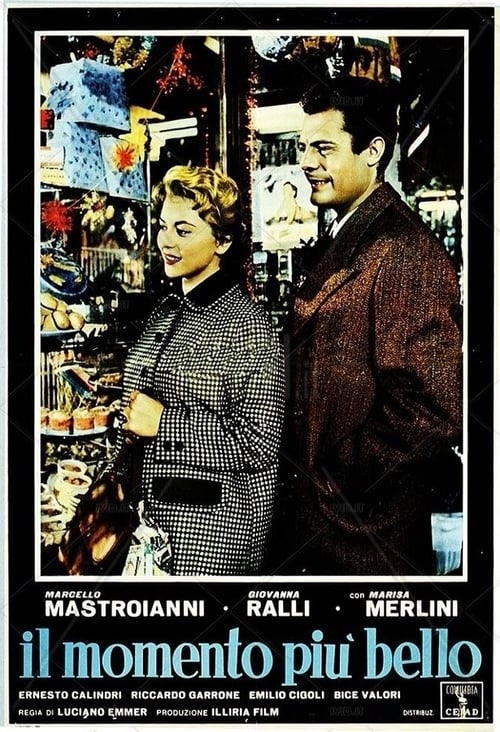
The Most Wonderful Moment
Plot
Pietro is in love with a nurse; they keep their affair secret until she falls pregnant. Worried that marriage will affect his career, she prepares for the upcoming childbirth
Get the Weekly Woke Watchlist
New and trending movies scored for woke bias, preachy messaging, and forced political themes — before you waste your evening.
No spam. One useful email per week.
Overall Series Review
Categorical Breakdown
The core conflict is not based on race, gender, or identity politics. The drama stems from the personal and social class tension between a doctor and a nurse who conceive a child outside of marriage, a meritocratic/social status concern for the male character. Characters are judged by their personal merit and moral choices.
The film is an Italian social drama from 1957. The narrative focuses on a moral and social dilemma within the existing Italian institutional and family framework. No hostility toward Western civilization, home culture, or ancestors is present.
The female lead, Luisa, strongly rejects the male lead's idea of a clandestine abortion, instead choosing to embrace and celebrate motherhood by independently becoming a pre-natal coach. The man is depicted as 'irresolute' and a moral coward regarding his professional ambition, but the narrative is fundamentally pro-natalist, championing the woman's maternal choice and vitality.
The entire narrative focuses on the consequences of a traditional male-female pairing and the societal pressure to form a nuclear family after an unexpected pregnancy. There is no presence of alternative sexual ideology or deconstruction of the nuclear family.
The core moral conflict involves the main characters' pre-marital affair and the man's suggestion of a 'clandestine abortion,' a clear lapse from transcendent moral law. The woman rejects this moral relativism by choosing to carry the child, and the film champions the natural act of birth, aligning with an objective good and a transcendent moral law over subjective power dynamics.
Get the Weekly Woke Watchlist
New and trending movies scored for woke bias, preachy messaging, and forced political themes — before you waste your evening.
No spam. One useful email per week.