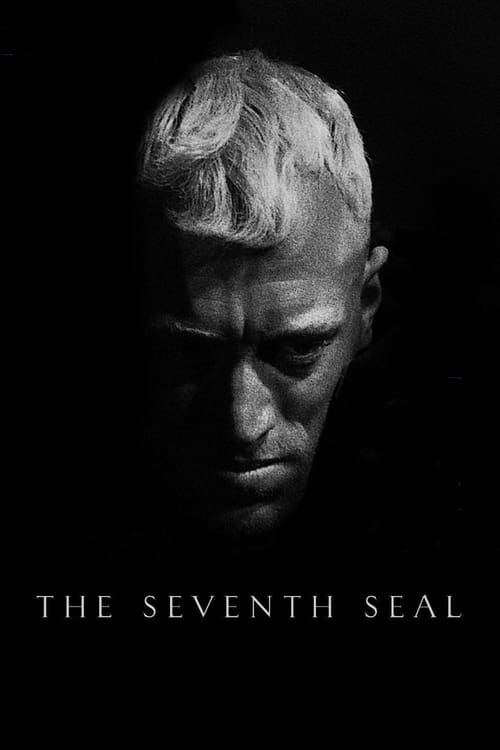
The Seventh Seal
Plot
When disillusioned Swedish knight Antonius Block returns home from the Crusades to find his country in the grips of the Black Death, he challenges Death to a chess match for his life. Tormented by the belief that God does not exist, Block sets off on a journey, meeting up with traveling players Jof and his wife, Mia, and becoming determined to evade Death long enough to commit one redemptive act while he still lives.
Get the Weekly Woke Watchlist
New and trending movies scored for woke bias, preachy messaging, and forced political themes — before you waste your evening.
No spam. One useful email per week.
Overall Series Review
Categorical Breakdown
The film focuses on universal human themes of mortality, faith, and meaning, not race, class, or immutable characteristics. Casting is historically and geographically authentic to 14th-century Sweden. Characters are judged solely by their actions and internal struggles, emphasizing a transcendent meritocracy of the soul, not group identity.
The film criticizes the darkness, cruelty, and mass hysteria of the medieval Swedish world under the Plague, including the 'fruitless' nature of the Crusades and the terror spread by the Church. However, it champions a core Western institution—the traditional, loving family unit (Jof, Mia, and their child)—as the ultimate image of purity and hope, which acts as a shield against chaos.
Gender roles are distinctly traditional and complementary. The character Mia is an archetype of maternal love, simple joy, and life-affirming vitality, entirely focused on her husband and child, which is the complete opposite of anti-natalism. The main male characters are neither emasculated nor depicted as uniformly toxic; the cynical squire is protective, and the knight makes a heroic sacrifice for a family.
The narrative has no elements of queer theory, alternative sexualities, or gender ideology. It portrays the traditional male-female pairing and the nuclear family as the standard and the ultimate symbol of hope and meaning in the face of death.
The core thematic struggle is the 'silence of God,' and the knight is on a desperate, agonizing search for spiritual certainty, suggesting a profound struggle with faith rather than simple hostility. However, the film strongly criticizes organized religion by depicting zealots, flagellants, and witch-burners, framing the Church's dogmatism and fear-mongering as a source of human misery and evil. The humanistic alternative (the traveling players) provides the only true, certain redemptive act.
Get the Weekly Woke Watchlist
New and trending movies scored for woke bias, preachy messaging, and forced political themes — before you waste your evening.
No spam. One useful email per week.