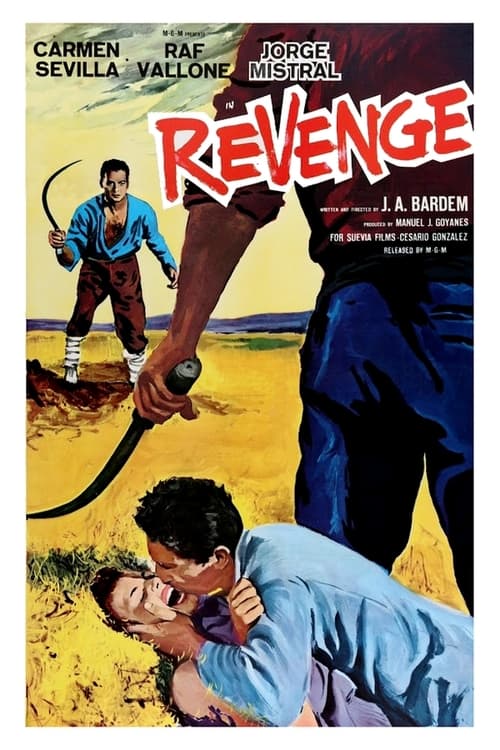
Revenge
Plot
After spending ten years in prison for a crime he did not commit, Juan is released.
Get the Weekly Woke Watchlist
New and trending movies scored for woke bias, preachy messaging, and forced political themes — before you waste your evening.
No spam. One useful email per week.
Overall Series Review
Categorical Breakdown
Characters are judged by their actions and the injustice they have suffered, focusing on a personal feud and class dynamics among Spanish rural workers. The casting is historically authentic for the setting. Race or immutable characteristics do not drive the conflict.
The film’s critical focus is on social injustice and the suffering of the working class due to an unfair system or a powerful individual, not on a fundamental rejection of Spanish heritage or Western civilization. The focus remains on a specific, local wrongdoing rather than civilizational self-hatred.
Andrea, Juan’s sister, is a strong co-lead who actively plots revenge, but her role is complementary to her brother’s mission for familial justice. The narrative centers on a brother-sister bond and a traditional quest for retribution. There is no evidence of anti-natalism, men being depicted as bumbling idiots, or a forced 'Girl Boss' trope.
The core story is a traditional drama centered on a brother, his sister, and a male antagonist. The narrative does not focus on sexual identity, nor does it deconstruct the nuclear family structure. Sexuality is private and not a vehicle for lecturing on gender theory.
The entire dramatic structure is built upon the concept of vengeance versus justice, acknowledging a transcendent moral law that has been violated (Juan’s innocence, the wrongdoer's guilt). The conflict is a moral one, not an attack on religion. Faith is not vilified; the pursuit of moral rightness is the plot's engine.
Get the Weekly Woke Watchlist
New and trending movies scored for woke bias, preachy messaging, and forced political themes — before you waste your evening.
No spam. One useful email per week.