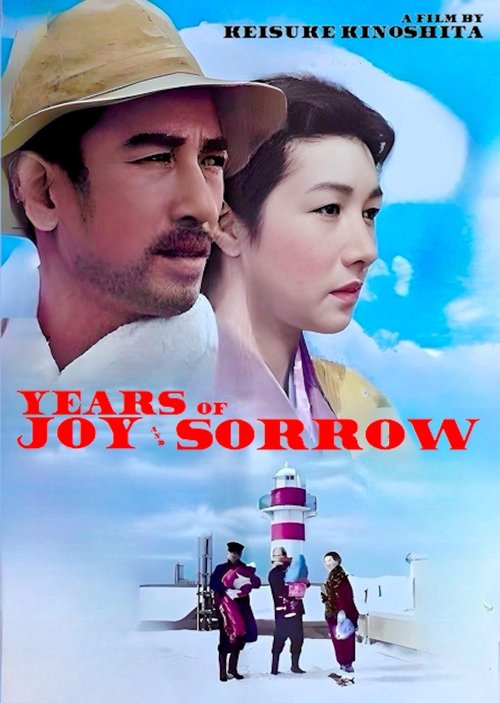
Times of Joy and Sorrow
Plot
The story of the trials and tribulations of a lighthouse keeper and his wife.
Get the Weekly Woke Watchlist
New and trending movies scored for woke bias, preachy messaging, and forced political themes — before you waste your evening.
No spam. One useful email per week.
Overall Series Review
Categorical Breakdown
The film features a mono-ethnic cast in a historically authentic setting. Characters are judged solely on their professional competence and the content of their character. There is no mention of systemic oppression or intersectional power dynamics.
The story honors the sacrifices of previous generations and celebrates the national service of lighthouse keepers. It portrays the development of Japan’s infrastructure with pride and gratitude. The characters view their home and history as a source of strength.
The movie highlights a marriage where man and woman work as a complementary team. The wife is portrayed as a strong, resilient figure who finds purpose in motherhood and supporting her husband. Masculinity is depicted as protective and reliable.
The plot focuses entirely on a traditional heterosexual marriage and the raising of children. The nuclear family is the central pillar of the narrative. No alternative sexual identities or gender theories are presented or discussed.
The characters adhere to a traditional moral code and find meaning in a purpose higher than themselves. The film treats life, death, and duty with a sense of reverence. There is no mockery of faith or traditional spiritual values.
Get the Weekly Woke Watchlist
New and trending movies scored for woke bias, preachy messaging, and forced political themes — before you waste your evening.
No spam. One useful email per week.