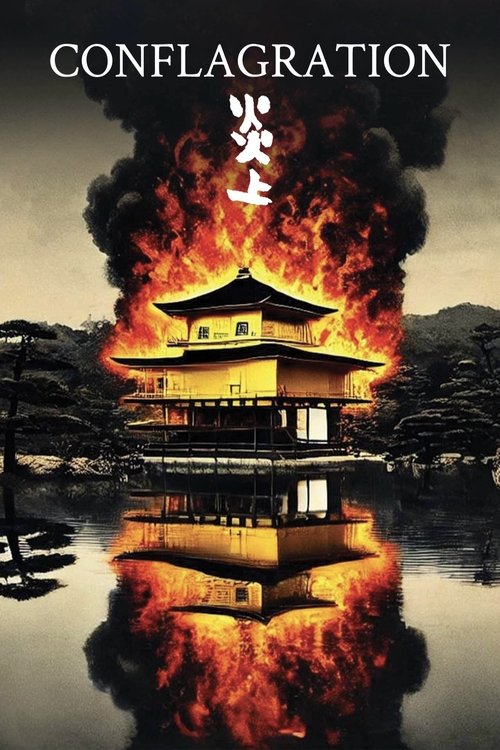
Conflagration
Plot
Learning of his family's collapse, acolyte Goichi, sent to study silently at the Temple of the Golden Pavilion, must endure acute psychological distress.
Get the Weekly Woke Watchlist
New and trending movies scored for woke bias, preachy messaging, and forced political themes — before you waste your evening.
No spam. One useful email per week.
Overall Series Review
Categorical Breakdown
The core conflict is psychological and philosophical, concerning the protagonist's struggle against corruption and his personal trauma. Character and spiritual/mental state dictate the plot; there is no reliance on race or immutable characteristics for intersectional hierarchy.
The film acts as a dark satire and intense critique of postwar Japanese society, specifically targeting its materialism, Westernization, and the corruption of traditional Buddhist values. This is a critique of the *modern* moral decay of the home culture, but Goichi's act is a warped attempt to preserve the *ancestral ideal* of beauty and purity, not a total demonization of his civilization.
The narrative centers on a male acolyte’s spiritual and psychological crisis. Female characters, such as the protagonist's mother, are portrayed negatively as sources of his trauma and pressure, but this serves the psychological plot and does not promote 'Girl Boss' tropes or anti-natalist messaging.
The story follows the internal struggles and heterosexual transgressions of the central male character. The plot maintains a normative structure focused on traditional life and the nuclear family as a source of trauma, without centering or lecturing on alternative sexualities or gender theory.
The film criticizes the *hypocrisy* and *greed* of the religious authority (the priests), who have corrupted the temple for money and tourism. However, the protagonist's initial faith and reverence are strong, and his destructive act is a twisted attempt to preserve a spiritual ideal, not an anti-theistic rejection of all faith.
Get the Weekly Woke Watchlist
New and trending movies scored for woke bias, preachy messaging, and forced political themes — before you waste your evening.
No spam. One useful email per week.