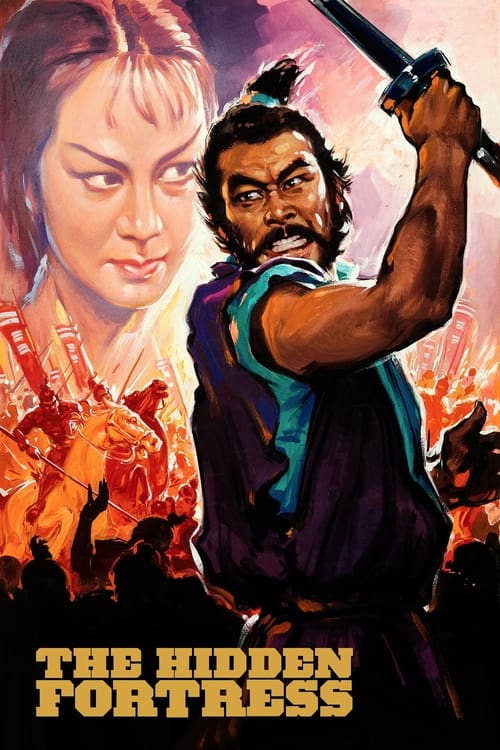
The Hidden Fortress
Plot
In feudal Japan, during a bloody war between clans, two cowardly and greedy peasants, soldiers of a defeated army, stumble upon a mysterious man who guides them to a fortress hidden in the mountains.
Get the Weekly Woke Watchlist
New and trending movies scored for woke bias, preachy messaging, and forced political themes — before you waste your evening.
No spam. One useful email per week.
Overall Series Review
Categorical Breakdown
The casting is historically and culturally authentic, featuring an all-Japanese cast for a story set in feudal Japan. The narrative critiques characters based entirely on their moral merit—the peasants are low-class and greedy, while the General and Princess are high-class and noble. Character is judged by the content of their soul, not by immutable characteristics or group identity.
The plot is centered on the loyal duty of General Makabe Rokurōta to protect Princess Yuki and their clan’s gold, which is necessary to rebuild their shattered nation. This theme expresses strong loyalty, national pride, and a dedication to the civilization and heritage of the Akizuki clan, reflecting a reverence for tradition and institution.
Princess Yuki is depicted as a strong, assertive leader with a journey of growth, often described as having the qualities of a man rather than a submissive woman. She is capable, witty, and takes action to save a servant girl from sexual slavery. The primary male hero, General Makabe, is a classic example of protective masculinity. The two male peasants are inept and cowardly, serving as foils, but this does not emasculate the core heroic male figure. There is no anti-natalist or anti-family messaging.
The film’s setting in feudal Japan and its focus on a military-adventure plot do not feature alternative sexualities or gender ideology. The structure is entirely normative and traditional for the historical period, and sexuality is not a core theme or point of discussion.
A major emotional beat of the film involves the Princess and General being deeply moved by a spiritual fire festival and its Buddhist hymn about the transience of life. This transcendent moral/spiritual reflection ultimately serves as a source of strength and is instrumental in saving the protagonists, showing faith or spirituality as a source of moral power.
Get the Weekly Woke Watchlist
New and trending movies scored for woke bias, preachy messaging, and forced political themes — before you waste your evening.
No spam. One useful email per week.