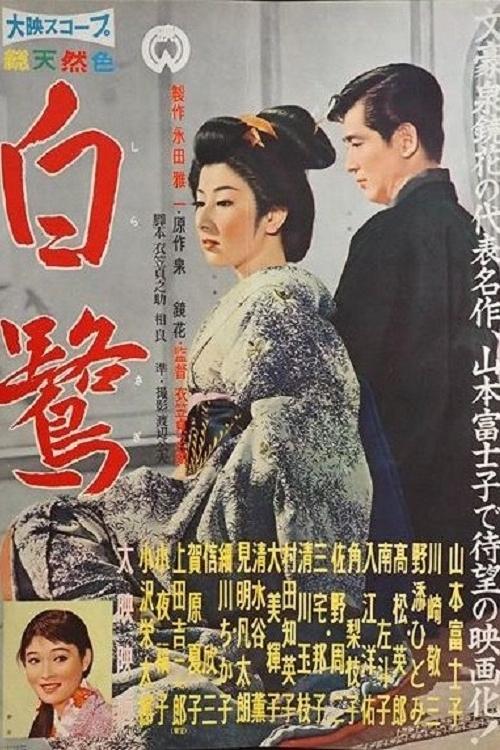
The Snowy Heron
Plot
The story follows Oshino, a geisha who is trying to start a new life with a lover who is a painter. However, her past filled with debts and pimps catches up to her.
Get the Weekly Woke Watchlist
New and trending movies scored for woke bias, preachy messaging, and forced political themes — before you waste your evening.
No spam. One useful email per week.
Overall Series Review
Categorical Breakdown
The movie is a 1958 Japanese production with all Japanese characters. The narrative conflict centers on a specific social class (geisha) and her financial struggles, not immutable characteristics or race. The plot operates within a framework of personal merit, redemption, and a struggle against economic bondage, with no evidence of anti-Western messaging, vilification of 'whiteness,' or forced insertion of diversity. The casting is historically and culturally authentic.
The film explores the clash between personal aspiration and certain 'societal constraints on women' inherent in the traditional Japanese geisha system. The critique is directed at a corrupt, exploitative internal system of debt and pimps, not the entire Japanese civilization, its ancestors, or core institutions. It does not demonize the national culture or elevate an external/alien culture as morally superior, placing the score at the low end of the critique scale.
The protagonist, Oshino, struggles intensely to escape an oppressive life, which contradicts the 'Mary Sue' or instantly perfect 'Girl Boss' trope. Her desire is to form a traditional pair-bond with her painter lover and start a new, non-exploited life. While the film shows the cruelty of the men who exploit her (pimps/former associates), the male lover is a supportive figure. The film portrays a woman's vitality and struggle for a traditional future, not a message of anti-natalism or male emasculation.
The core relationship of the story is the traditional male-female pairing between the geisha Oshino and the painter. There is no evidence in the plot analysis or themes of centering alternative sexualities, deconstructing the nuclear family, or lecturing on modern gender ideology. The structure of the film is entirely normative for its period and setting.
There is no thematic focus on religion, hostility toward Christianity, or the embrace of moral relativism. The film's drama is rooted in a clear, objective moral struggle between a woman seeking redemption and the individuals who wish to keep her in a life of debt and exploitation. The narrative structure implicitly acknowledges a clear moral law regarding exploitation and freedom.
Get the Weekly Woke Watchlist
New and trending movies scored for woke bias, preachy messaging, and forced political themes — before you waste your evening.
No spam. One useful email per week.