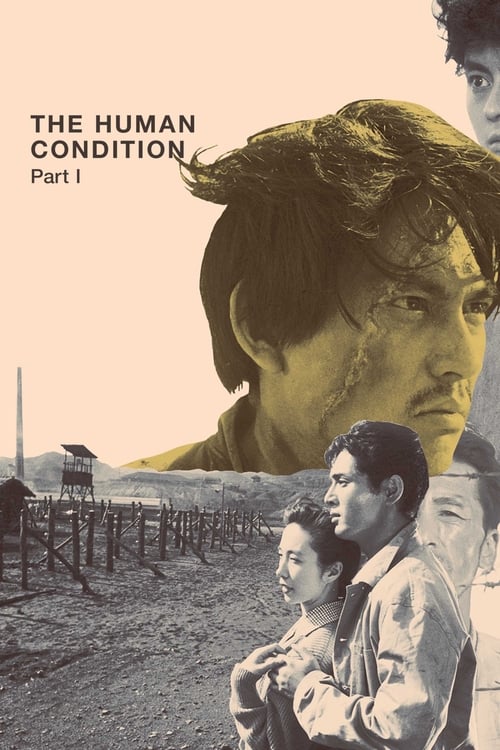
The Human Condition I: No Greater Love
Plot
After handing in a report on the treatment of Chinese colonial labor, Kaji is offered the post of labor chief at a large mining operation in Manchuria, which also grants him exemption from military service. He accepts, and moves to Manchuria with his newly-wed wife Michiko, but when he tries to put his ideas of more humane treatment into practice, he finds himself at odds with scheming officials, cruel foremen, and the military police.
Get the Weekly Woke Watchlist
New and trending movies scored for woke bias, preachy messaging, and forced political themes — before you waste your evening.
No spam. One useful email per week.
Overall Series Review
Categorical Breakdown
The central conflict is defined by the ethnic and national power hierarchy of Japanese imperial rulers over Chinese laborers and POWs. The film depicts the Chinese as victims of a cruel, racist, and violent system. The moral compass is a Japanese man fighting his own nation's establishment based on a universal principle of human worth, not a broad condemnation of a group identity.
The Japanese military, corporate bureaucracy, and national policy are portrayed as monstrous, inhumane, and fundamentally corrupt. The narrative serves as a scathing self-critique and historical indictment of the director's own civilization during the colonial era. The Japanese institutions are the source of all evil and chaos.
Kaji's wife, Michiko, is depicted as unconditionally loving and supportive. Her role is to provide emotional stability and a home life for her husband as he faces external collapse. The relationship is a traditional, complementary partnership, and there is no messaging that disparages the family structure.
The narrative focuses entirely on the heterosexual relationship between the protagonist and his wife, as well as the sociopolitical conflict of the labor camp. Issues of alternative sexuality or gender theory are entirely absent.
The moral law that Kaji fights for is an ideal of "unconditional selflessness" and human dignity. The film's very title is a direct quotation from a Christian scripture, which frames his struggle as a pursuit of a transcendent, objective moral good against the nihilism of the regime.
Get the Weekly Woke Watchlist
New and trending movies scored for woke bias, preachy messaging, and forced political themes — before you waste your evening.
No spam. One useful email per week.