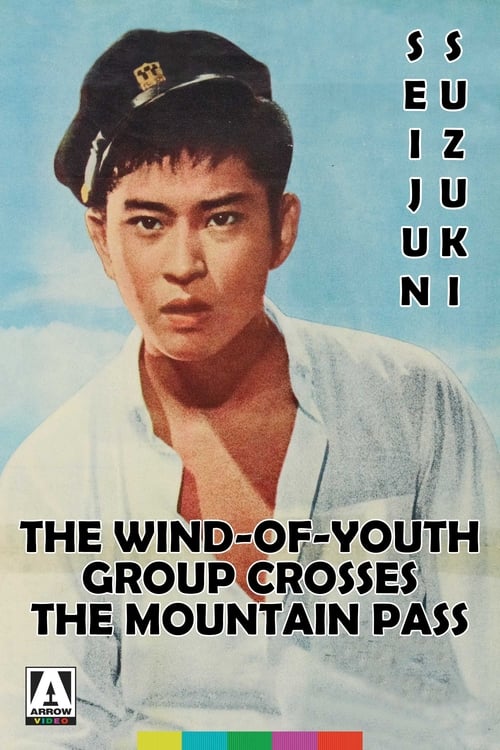
The Wind-of-Youth Group Crosses the Mountain Pass
Plot
On summer vacation, university student Shintaro gets involved with a magic troupe as they travel from festival to festival.
Get the Weekly Woke Watchlist
New and trending movies scored for woke bias, preachy messaging, and forced political themes — before you waste your evening.
No spam. One useful email per week.
Overall Series Review
Categorical Breakdown
The plot centers on a university student who assists a struggling magic troupe on the road. Character conflict is based on individual ambition, economic need, and personality clashes, such as Shintaro's eagerness to be a hero. The narrative does not utilize race, immutable characteristics, or an intersectional lens to define characters or structure the plot.
The movie is a warm and goodnatured portrait that actively captures the atmosphere of Japan's traditional summer festival culture. The story observes characters navigating the challenges and frustrated dreams of a transitional time, yet it does not frame the home culture or its institutions as fundamentally corrupt or racist.
Gender dynamics are traditional for a 1961 road movie. The male protagonist is a proactive 'drifter-savior' figure working to help others. The central female character, Misako, who initially seeks a career-focused escape to Tokyo, ultimately abandons that dream to remain with the troupe community. There is no emasculation of males or anti-natalist messaging.
The narrative is a simple road movie focusing on a traditional male-female pairing within the context of a traveling troupe. The plot contains no focus on sexual identity, gender ideology, or deconstruction of the nuclear family structure.
The film is focused on a traveling spectacle and the youth experience at traditional Japanese festivals. There is no presence of anti-theistic themes, hostility toward religion, or commentary on moral relativism. The protagonist's morality is transcendent, driven by his inherently good heart and desire to help those who are struggling.
Get the Weekly Woke Watchlist
New and trending movies scored for woke bias, preachy messaging, and forced political themes — before you waste your evening.
No spam. One useful email per week.