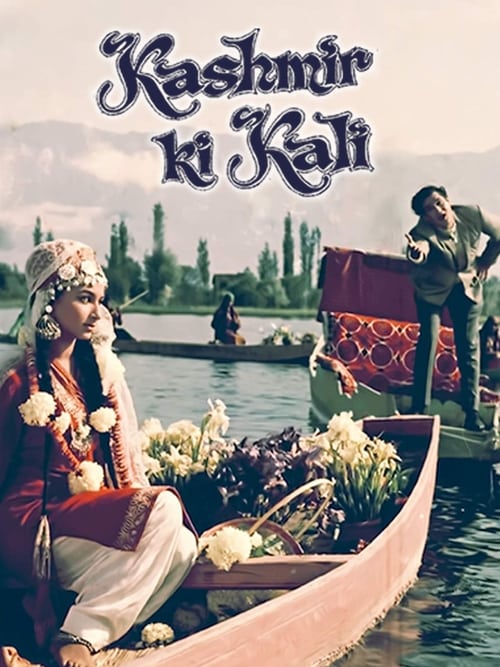
Kashmir Ki Kali
Plot
A rich young man woos proud girl against her father's wishes.
Get the Weekly Woke Watchlist
New and trending movies scored for woke bias, preachy messaging, and forced political themes — before you waste your evening.
No spam. One useful email per week.
Overall Series Review
Categorical Breakdown
The narrative is driven by a class conflict (rich vs. poor) that is ultimately resolved by the revelation of hidden, rightful lineage, establishing the heroine as the true wealthy heiress. Characters are judged on their romantic intentions and moral fiber, not on immutable characteristics or intersectional hierarchy. The story celebrates love and merit, not systemic oppression.
The film’s setting in Kashmir promotes a vision of 'national integration,' uniting the urban, modern hero with the peripheral, 'natural' heroine. The core institutions of family and the nation are celebrated, with the central conflict resolved to restore the proper social and familial order. There is no demonization of the home culture or ancestors.
The film is a classic heterosexual romance culminating in a desired, normative marriage. The heroine's 'pride' is celebrated, but her narrative function centers on being courted and becoming a wife and rightful matriarch of a family fortune. Masculinity is presented as charming, protective, and driven. Motherhood and the establishment of a traditional family are the clear, vital goals of the story.
The entire structure of the movie is centered on the romantic, traditional pairing of a man and a woman. The conflict and resolution are focused on the formation of a normative nuclear family unit, complicated only by a kidnapping plot. Alternative sexual identities or deconstruction of the nuclear family are entirely absent.
Moral laws are objective within the narrative: the villain is punished, and the lovers are united upon the revelation of objective truth. Faith or traditional religion is not a central subject, and there is no hostility directed toward it. The story operates within a clear framework of objective right and wrong, reinforcing transcendent morality.
Get the Weekly Woke Watchlist
New and trending movies scored for woke bias, preachy messaging, and forced political themes — before you waste your evening.
No spam. One useful email per week.