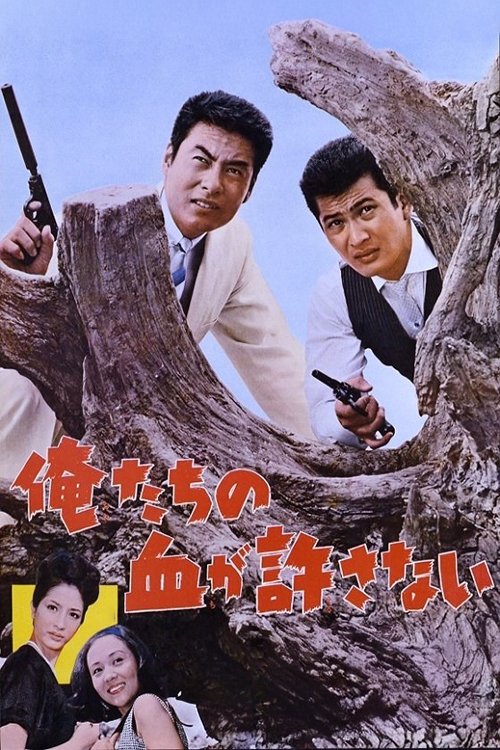
The Call of Blood
Plot
Two brothers seek revenge on the yakuza responsible for the death of their father.
Get the Weekly Woke Watchlist
New and trending movies scored for woke bias, preachy messaging, and forced political themes — before you waste your evening.
No spam. One useful email per week.
Overall Series Review
Categorical Breakdown
The narrative is a Japanese yakuza film about two brothers from the same homogeneous background battling a family-based identity/legacy ('yakuza blood'), not race, intersectional hierarchy, or the vilification of whiteness. Character conflicts are driven by whether one brother can achieve respectability and escape the underworld, which is a moral/class issue, not an immutable characteristic lecture. The casting is historically authentic for its setting.
The film is a critique of a criminal subculture—the yakuza—within Japanese society, which is a genre convention. Critiquing the violence and moral vacuum of the yakuza is not hostility toward the foundational 'Western civilization' or the core values of the home culture. The conflict focuses on the internal struggle for family survival and respectability against a destructive, criminal element, not a demonization of national ancestors.
The core plot is a male-driven revenge story. Female characters, such as the mother and the girlfriend, serve in traditional, supportive roles, either attempting to shield the men from the underworld or seeking a stable, nuclear family life. The film depicts the mother's suffering from the yakuza life. There are no 'Mary Sue' or 'Girl Boss' tropes, nor is there any anti-natalist or anti-family messaging. Masculinity, in the form of protective strength and duty, is central to the brothers' journey.
The movie, a 1964 Japanese crime thriller, focuses on traditional male-female pairings and the nuclear family unit (albeit a broken one). The plot contains no centering of alternative sexualities, deconstruction of the nuclear family as 'oppressive,' or discussion of gender ideology. Sexuality is treated as private and conventional for the era and genre.
As a Japanese yakuza film, the narrative is rooted in a specific secular code of honor and revenge, not a direct critique of Christianity or Western religion. The central moral vacuum is the internal corruption of the yakuza world. The film is concerned with concepts of personal honor and moral choice (escaping the yakuza 'curse'), which aligns more closely with a search for a higher moral law, not an embrace of moral relativism or hostility toward transcendent faith.
Get the Weekly Woke Watchlist
New and trending movies scored for woke bias, preachy messaging, and forced political themes — before you waste your evening.
No spam. One useful email per week.