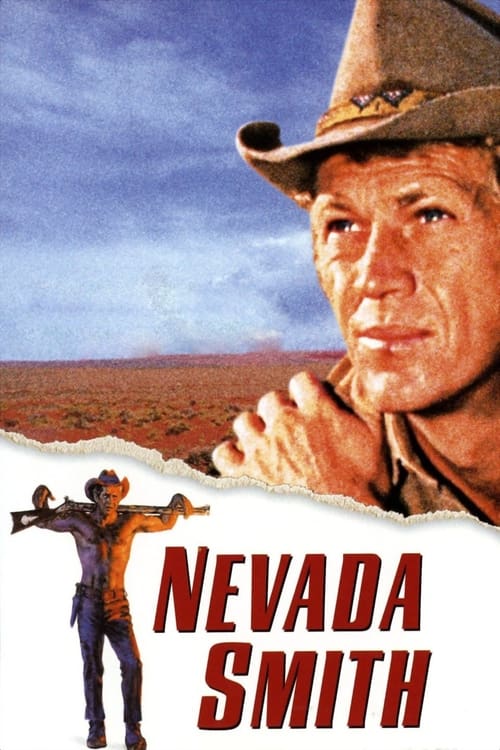
Nevada Smith
Plot
Nevada Smith is the young son of an Indian mother and white father. When his father is killed by three men over gold, Nevada sets out to find them and kill them. The boy is taken in by a gun merchant. The gun merchant shows him how to shoot and to shoot on time and correct.
Get the Weekly Woke Watchlist
New and trending movies scored for woke bias, preachy messaging, and forced political themes — before you waste your evening.
No spam. One useful email per week.
Overall Series Review
Categorical Breakdown
The protagonist, Max Sand, is mixed-race, being the son of a white father and an Indian mother, and the villains taunt him with racial epithets. Race is an explicit part of his identity and motivation, but his quest is a personal revenge story, not a lecture on systemic oppression or an exploration of intersectional hierarchy. The role of the 'half-breed' character is played by a white actor, Steve McQueen, which reflects a colorblind or inauthentic casting practice of the era that deemphasizes his non-white heritage. The narrative posits that acquiring a gunman's skill transcends the limitations of his mixed parentage.
The movie is a traditional Western that centers on a theme of personal justice in the American frontier. The protagonist is taught essential survival and gunfighting skills by a kind, itinerant Western gun merchant who acts as a mentor. Western home culture is presented as a harsh mix of good and evil, containing murderous white outlaws as well as virtuous figures like the mentor and the Christian priest. The film does not frame the culture as fundamentally corrupt or racist, and core Western institutions, like liberty and a personal code of justice, remain the operating structure of the plot.
The story is male-centric, focusing entirely on Max Sand's journey to manhood and his quest for revenge. Female characters are secondary and functional to the male hero's plot, serving as either temporary love interests or aids in his escape plans. For example, Neesa, a Kiowa dance hall girl, nurses him back to health, and Pilar, a Cajun girl, helps him escape prison, but both relationships are short-lived, ensuring the hero remains a solitary avenger. There are no 'Girl Boss' tropes, and there is no messaging that disparages motherhood or family for career fulfillment.
The film contains no overt presence of LGTBQ+ themes, alternative sexualities, or discussion of gender ideology. The structure is entirely normative, focusing on male-female pairing in its romantic subplots, which are quickly ended to maintain the protagonist’s commitment to his quest.
Christianity is a direct moral foil to the hero's quest for vengeance. Max is saved by a mission priest, Father Zaccardi, who preaches Christian forgiveness, citing his own choice to forgive the Indians who murdered his parents. The film presents the priest as a representative of objective moral law and virtue. Max consciously rejects this path, choosing 'an eye for an eye' revenge over forgiveness. The film does not portray traditional religion as the root of evil, but rather presents a serious moral conflict where the protagonist ultimately chooses a personal, secular-realist code over transcendent morality.
Get the Weekly Woke Watchlist
New and trending movies scored for woke bias, preachy messaging, and forced political themes — before you waste your evening.
No spam. One useful email per week.