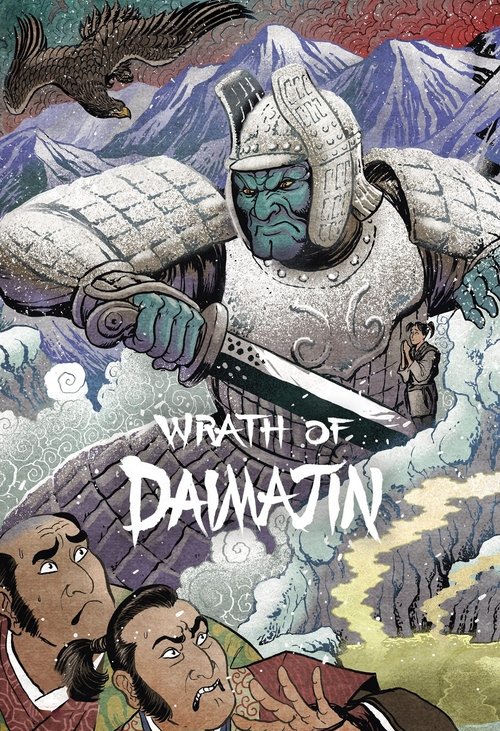
Wrath of Daimajin
Plot
In a mountainous region of Japan, Lord Arakawa kidnaps the men of nearby villages to use as slave labor, producing gunpowder from his sulfur pits. A band of young boys decide to rescue their enslaved fathers on their own.
Get the Weekly Woke Watchlist
New and trending movies scored for woke bias, preachy messaging, and forced political themes — before you waste your evening.
No spam. One useful email per week.
Overall Series Review
Categorical Breakdown
The conflict is based on clear moral alignment and social class, with an evil feudal lord oppressing honorable villagers. Characters are judged solely by their actions—tyranny versus filial piety—and the narrative does not use immutable characteristics or an intersectional hierarchy to assign moral value. All characters are Japanese, and the plot contains no themes of race-swapping or vilification of any specific ethnic group.
The movie is a Japanese production that champions the traditional Japanese people and their local spiritual traditions against a corrupt internal elite. The Daimajin god protects the faithful villagers from the wicked local ruler. The core values of family and community are portrayed as shields against chaos and tyranny, indicating a defense of the ‘home’ culture’s core institutions, not a self-hating critique.
The core plot engine is the filial quest of four young boys to rescue their enslaved fathers. The narrative centers on the protective and vital role of the father within the nuclear family and celebrates the protective drive of masculinity and brotherhood. The women and mothers are the anchor the boys are fighting to restore, and there are no themes of female perfection or anti-natalist messaging.
The film is a 1966 historical fantasy that reinforces the importance of the normative family structure by making the rescue of the fathers by their sons the central heroic act. The narrative focuses entirely on a moral and spiritual conflict within a feudal society. No alternative sexualities, sexual ideology, or deconstruction of the nuclear family are present or centered in the plot.
The climax of the story is the physical manifestation of the god Daimajin, who descends from the mountain to destroy the evil lord and his camp because of the lord’s disrespect and sacrilege. The plot confirms the existence of a higher moral law and Objective Truth, and it shows that reverence for faith and tradition is a source of protection and strength.
Get the Weekly Woke Watchlist
New and trending movies scored for woke bias, preachy messaging, and forced political themes — before you waste your evening.
No spam. One useful email per week.