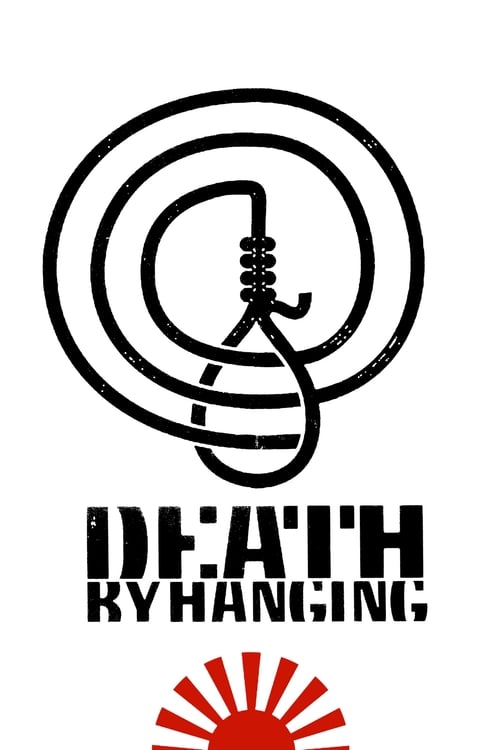
Death by Hanging
Plot
A Korean man is sentenced to death in Japan but somehow survives his execution, sending the authorities into a panic about what to do next.
Get the Weekly Woke Watchlist
New and trending movies scored for woke bias, preachy messaging, and forced political themes — before you waste your evening.
No spam. One useful email per week.
Overall Series Review
Categorical Breakdown
The plot's entire engine relies on the ethnic identity of the protagonist, R, a Korean man, and the systemic oppression and racism directed at ethnic Koreans (Zainichi) by the Japanese state. The officials attempt to force R to accept his 'Korean-ness' through crude racial stereotypes and reenactments, explicitly linking his ethnicity to his alleged criminality. The narrative exists to lecture on systemic oppression.
The film functions as a sweeping and relentless indictment of Japanese institutions, including its legal system, bureaucracy, and 'imperialist psychology.' The officials representing the state are depicted as a collection of bumbling, absurd, and violent hypocrites who lack moral authority. The home culture and its immediate past are framed as fundamentally corrupt and defined by unrepented war crimes, contrasting the state's violence with the individual's crime.
The male officials are portrayed as incompetent agents of a corrupt system, and their attempts to reenact the original crime include simulated rape and an accidental murder of a girl. While the men are thoroughly emasculated by their own moral and procedural ineptitude, the female characters (the victims and the 'sister' figure) primarily serve as symbols of political persecution or objects of violence. This focuses on the failings of masculinity but does not introduce the modern 'Girl Boss' or anti-natalism tropes.
The core themes of the film are state violence, race, and the death penalty. The narrative contains no focus on alternative sexualities, deconstructing the nuclear family, or gender ideology, and maintains a normative structure by avoiding these subjects entirely.
The film questions the entire notion of objective morality and guilt, suggesting that morality is subjective and a function of state power dynamics, not a transcendent truth. The priest character is included among the bumbling officials who use 'bizarre metaphysical sophistry' about R's soul to justify the bureaucratic continuation of the execution, portraying institutional religion as a tool for cynical procedural manipulation rather than a source of moral strength.
Get the Weekly Woke Watchlist
New and trending movies scored for woke bias, preachy messaging, and forced political themes — before you waste your evening.
No spam. One useful email per week.