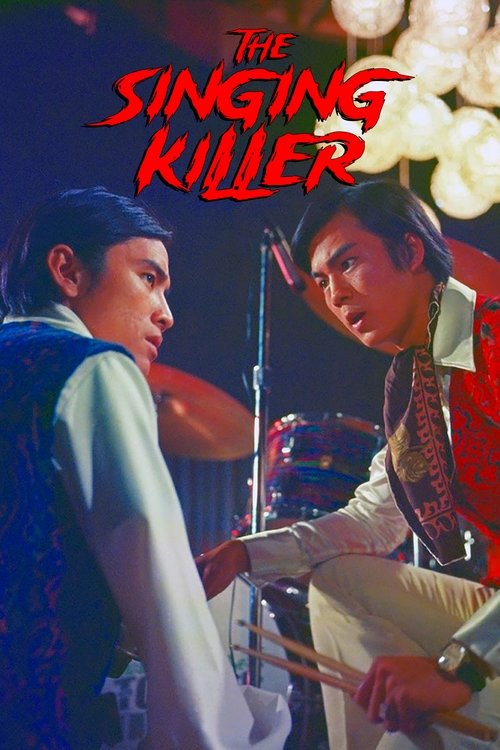
The Singing Killer
Plot
David Chiang stars as a nightclub vocalist whose former criminal friends blackmail him into working with them again.
Get the Weekly Woke Watchlist
New and trending movies scored for woke bias, preachy messaging, and forced political themes — before you waste your evening.
No spam. One useful email per week.
Overall Series Review
Categorical Breakdown
Characters are judged by their moral decisions and actions—the choice between a criminal past and an honest future—not by any immutable characteristics or race. The cast is entirely Chinese, and the narrative contains no lectures on privilege, systemic oppression, or the vilification of any demographic.
The narrative's focus on a criminal underworld and a corrupt gang leader is a critique of a system or local corruption, not a wholesale condemnation of Hong Kong/Chinese civilization, history, or culture. The struggle is one of individual morality against the chaos of crime.
The primary female role is that of Lily, the protagonist's girlfriend, who functions as a damsel-in-distress and the ultimate motivation for the male hero's sacrificial actions. The plot centers on a traditional male-female pairing, and masculinity is protective and heroic in the face of threats, directly opposing the 'Girl Boss' or emasculation tropes.
The film focuses on the central male-female romantic relationship, which is the emotional core and driving force of the plot. There is no presence of alternative sexual ideologies, deconstruction of the traditional family, or lecturing on gender theory. The structure is entirely normative.
The core of the movie is a moral struggle for redemption as the protagonist attempts to leave a life of violence and build an honest future. Director Chang Cheh’s works often incorporate elements of Confucian, Taoist, and Buddhist philosophical imagery. The narrative acknowledges a clear moral distinction between good (redemption/love) and evil (crime/blackmail), indicating a transcendent moral law.
Get the Weekly Woke Watchlist
New and trending movies scored for woke bias, preachy messaging, and forced political themes — before you waste your evening.
No spam. One useful email per week.