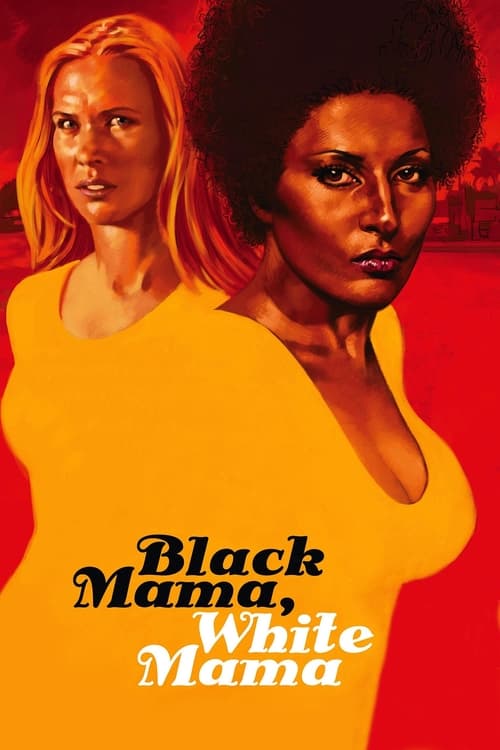
Black Mama, White Mama
Plot
When two troublemaking female prisoners (one a revolutionary, the other a former harem-girl) can't seem to get along, they are chained together and extradited for safekeeping. The women, still chained together, stumble, stab, and cat-fight their way across the wilderness, igniting a bloody shootout between gangsters and a group of revolutionaries.
Get the Weekly Woke Watchlist
New and trending movies scored for woke bias, preachy messaging, and forced political themes — before you waste your evening.
No spam. One useful email per week.
Overall Series Review
Categorical Breakdown
The plot is explicitly structured around the intersectional conflict between the black, working-class pragmatist and the white, upper-class ideologue. This race and class contrast is the foundational engine of the entire narrative, positioning the characters as representatives of different socio-political outlooks.
The film critiques the corruption of the local island government, its police, and its prison system. The setting is a fictionalized tropical island, and the critique is aimed at this specific, oppressive regime, not Western civilization, ancestors, or core Western institutions.
The female leads are highly competent and physically dominant, actively fighting and overcoming male villains like pimps, drug lords, and guards, strongly embodying a 'Girl Boss' trope. However, this feminist-leaning competency is diluted by the genre's demands for explicit female objectification, gratuitous nudity, and exploitative violence.
Alternative sexuality is present only as a villainous, predatory lesbian prison guard, which is a common, titillating trope of the 'Women in Prison' exploitation sub-genre. The presence serves for shock and titillation, not as a mechanism for centering alternative identities or promoting a 'Queer Theory' worldview.
The film does not focus on or criticize traditional religion or Christianity. The moral framework is the pulp action genre's subjective 'good criminal versus evil establishment' dynamic, which does not constitute a targeted attack on transcendent morality or organized faith.
Get the Weekly Woke Watchlist
New and trending movies scored for woke bias, preachy messaging, and forced political themes — before you waste your evening.
No spam. One useful email per week.