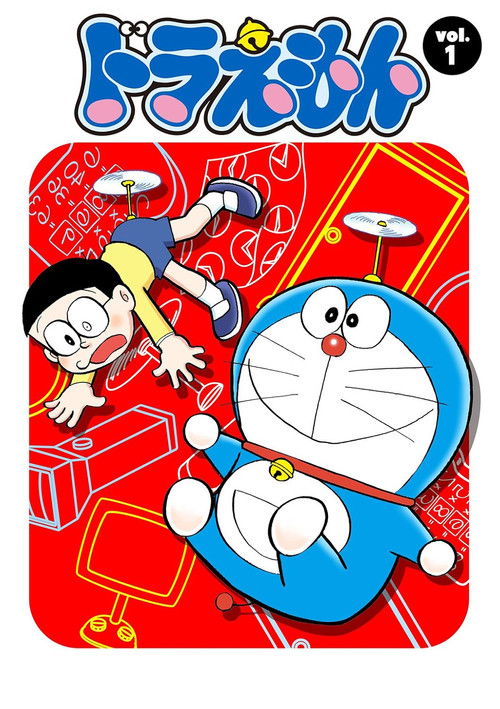
Doraemon
Season 1 Analysis
Season Overview
No specific overview for this season.
Season Review
Categorical Breakdown
Characters are judged solely by their personal merit and moral choices; Nobita's struggles stem from his own laziness and lack of courage. The casting is culturally authentic to a mid-20th-century Japanese setting, and there is no forced diversity or vilification of any group. The structure is one of pure, individual meritocracy.
The show is set entirely within the context of a typical Japanese home, neighborhood, and school, affirming these institutions. The core message reinforces ethical values, respect for family, and the importance of community. The setting and culture are treated as a stable, positive foundation that provides a moral structure for the children.
Gender roles are traditional but complementary: Shizuka is portrayed as kind, intelligent, and the most morally grounded character without being a flawless 'Girl Boss.' Nobita's mother fulfills the classic role of family disciplinarian and homemaker, and motherhood is implicitly valued as the backbone of the household. The narrative goal is Nobita's improvement to become a worthy husband to Shizuka, reinforcing traditional male and female roles.
The show focuses exclusively on the non-sexual dynamics of childhood friendship and the traditional nuclear family structure. The main romantic thread is Nobita's aspiration to marry Shizuka. There is no presence, centering, or discussion of alternative sexualities, gender ideology, or deconstruction of the nuclear family. The structure is normative and private.
The moral framework is based on clear, objective ethical truths: selfishness is punished, honesty and hard work are rewarded. This consequence-based morality establishes an objective moral law. While the series is secular and does not explicitly feature religion, it operates within a clear transcendent ethical reality that rejects moral relativism.