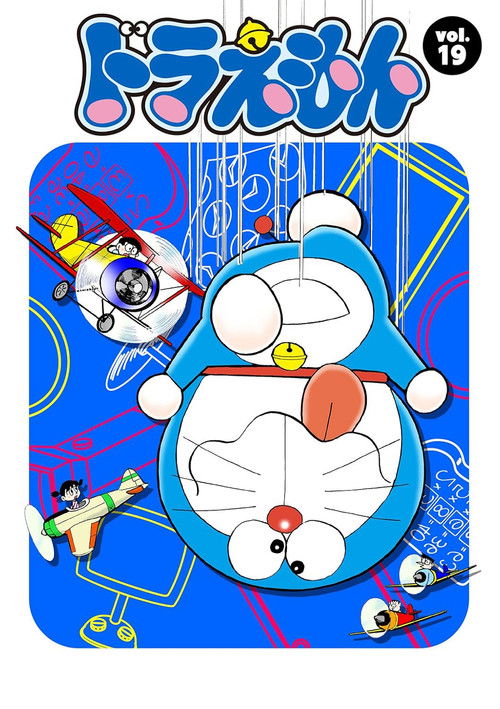
Doraemon
Season 19 Analysis
Season Overview
No specific overview for this season.
Season Review
Categorical Breakdown
Characters are judged entirely by their individual behavior, such as Nobita's habitual laziness being punished or Shizuka's kindness being rewarded. The cast is homogeneous Japanese, and the narrative does not reference or rely on race, immutable characteristics, or intersectional hierarchy for any character's fate or moral standing.
The series is firmly rooted in a non-critical appreciation of its home culture, centering on the domestic life of the Nobi family and the local neighborhood school and playground. There is no depiction of the home culture as fundamentally corrupt or racist, and institutions like family and neighborhood bonds are depicted as the secure background for the children's daily adventures.
One episode, "Instant Mom," explores the theme of Nobita attempting to use a gadget to clone his overworked mother. The story's traditional intent is to demonstrate the immense, undervalued effort of the mother's domestic role, teaching Nobita to appreciate her, which reinforces the value of motherhood rather than portraying it as a prison. Shizuka is consistently portrayed as a kind and morally upright female character, not an ideological 'Girl Boss' figure.
The narrative structure and character relationships maintain a normative, non-sexualized framework focused on childhood friendships. There is no inclusion of alternative sexualities, deconstruction of the nuclear family, or lecturing on gender identity theory for the child audience.
An episode titled "God Robot Extends His Hand of Love!" directly addresses the concept of a higher moral law. The plot features a gadget that tests the 'hearts of people' by rewarding genuine, unwitting kindness and punishing cynical manipulation by Nobita and his greedy friends. This directly reinforces the value of altruism and transcendent morality over subjective gain.