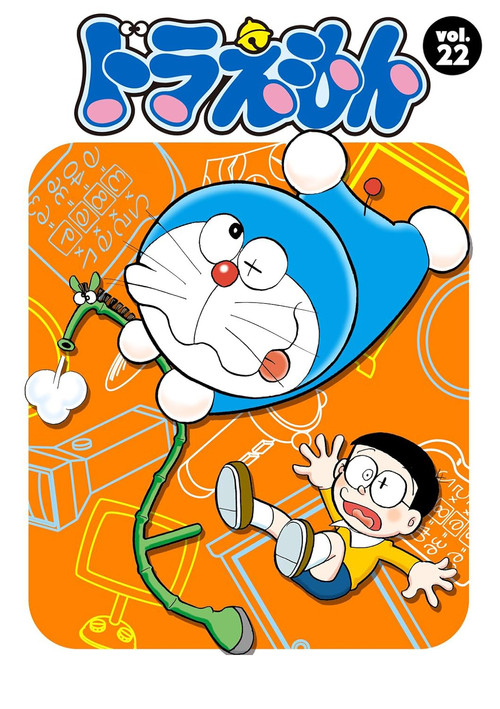
Doraemon
Season 22 Analysis
Season Overview
No specific overview for this season.
Season Review
Categorical Breakdown
The main cast is mono-ethnic Japanese, and the narrative centers entirely on individual character flaws (Nobita's laziness) and personal growth. Meritocracy is the universal standard, and there is no forced diversity or vilification of any group based on race or intersectional hierarchy.
The show is set entirely within an idealized, slightly old-fashioned version of a Japanese neighborhood and family life, which provides a shield of stability and tradition. Ancestors and family institutions are respected. A single, recurring theme involves a historical critique of a past Japanese war action, which slightly elevates the score from the absolute floor, but the general tone is one of cultural affirmation through normalcy.
Female characters primarily occupy complementary and traditional roles. Nobita's mother is a dedicated, if temperamental, homemaker. Shizuka is the kind, sweet, and domestically skilled love interest. The narrative avoids the 'Girl Boss' trope entirely, and motherhood is implicitly presented as a central, protective function of the family unit.
The core premise of the series is rooted in the eventual marriage and nuclear family of Nobita and Shizuka. The series maintains a strictly normative structure for its child audience with no presence, centering, or lecturing on alternative sexualities or gender ideology.
The series is secular but maintains a basis in objective moral truths (honesty is good, lying is bad). A rare episode features a 'God Robot' which is a temporary gadget used for a satirical and moral lesson, which demonstrates a light skepticism toward shortcuts but no genuine hostility toward traditional religious faith as a system of evil.