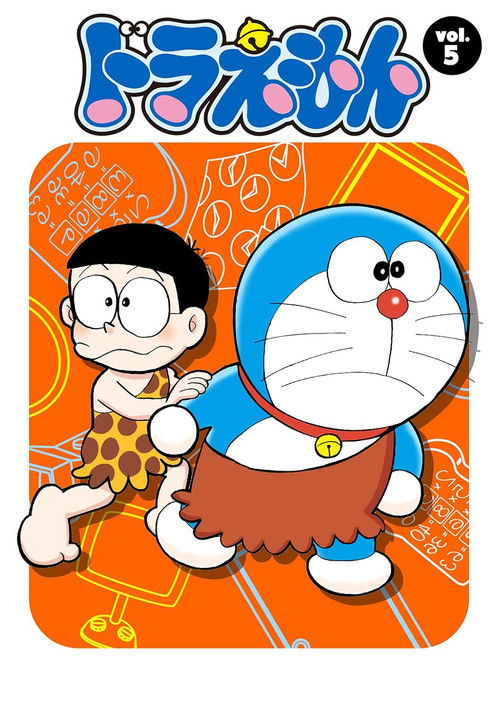
Doraemon
Season 5 Analysis
Season Overview
No specific overview for this season.
Season Review
Categorical Breakdown
Characters are judged solely on their individual merit, or lack thereof; Nobita is constantly defined by his poor grades and laziness, while Dekisugi is praised for his intelligence. The central cast is entirely Japanese, and the narrative does not engage with race, intersectional hierarchy, or the vilification of any ethnic group.
The setting is contemporary, middle-class Japan, and the stories focus on the stable, nuclear family unit (the Nobi family) and the immediate local community. Ancestors and family history are sometimes explored through time travel, always in a context that validates and respects heritage, such as episodes about Nobita's grandmother or great-great-grandson. The narrative shows gratitude for the home and local environment.
Gender roles reflect a classic Japanese family dynamic: the mother is the strict-but-loving homemaker, and the father is the busy salaryman. Shizuka is portrayed as the most competent and kind child of the group, a positive female role model, but she is not portrayed as a 'Girl Boss' who lectures or intentionally emasculates the male characters. The ultimate goal of Doraemon’s mission is to secure Nobita’s marriage to Shizuka, a fundamentally pro-natal and pro-family message.
The show is focused exclusively on a normative, traditional structure. The narrative arc for Nobita centers on his desire to eventually marry Shizuka. There is no material concerning alternative sexualities, gender ideology, or the deconstruction of the nuclear family.
The series' morality is secular and objective, centered on basic virtues like honesty, humility, and diligence. The narrative avoids all discussion of religion, and there is no anti-religious messaging, specifically toward Christianity or any other faith. The show operates from an implicit higher moral law where good actions are rewarded and bad actions lead to natural consequences (usually self-inflicted by Nobita). The focus is entirely on science-fiction gadgets and childhood struggles.