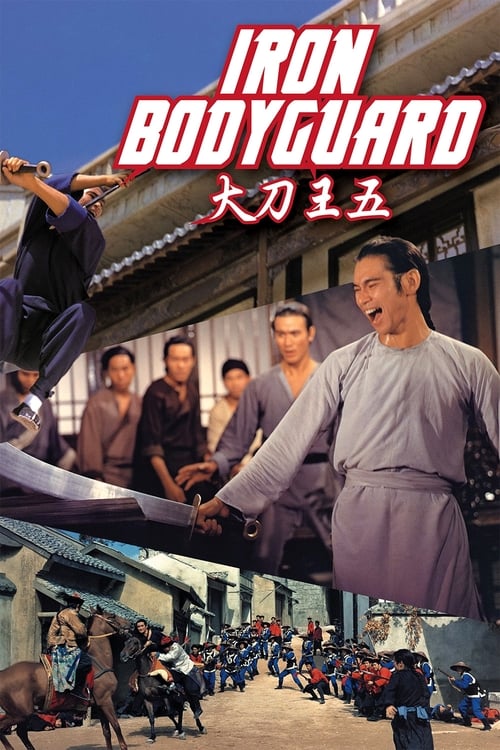
Iron Bodyguard
Plot
An Iron Bodyguard called Wang Wu meets a scholar and forms a strong friendship with him after they fight some villains together. The scholar is a member of the reformists - a group of scholars pressing for social reform in China towards the end of the Qing dynasty. The Emperor is actually all for reforms, and appoints this group to run the country. This doesn't suit the Empress Dowager though, as she has no intention of losing her power. She orders the reformists to be arrested, and Chen Kuan Tai hence gets drawn into politics despite having no real political views himself.
Get the Weekly Woke Watchlist
New and trending movies scored for woke bias, preachy messaging, and forced political themes — before you waste your evening.
No spam. One useful email per week.
Overall Series Review
Categorical Breakdown
The narrative focuses on universal virtues like honor, loyalty, and justice. Characters are judged entirely on their merit and moral standing. All principal characters are ethnically Chinese, and the story contains no vilification of 'whiteness' or forced intersectional diversity.
The film centers on a story of Chinese patriotism and a hero fighting corruption to better his own nation. The reformist scholars seek to mend the Qing Dynasty from within. This is a clear expression of respect for heritage and institutions, not civilizational self-hatred.
The core of the film focuses on the heroic bond and righteousness of the male protagonists. The main villain, the Empress Dowager, is a powerful woman, but her villainy is political and power-driven, not a modern 'Girl Boss' trope. The movie celebrates a strong, protective form of masculinity.
As a 1973 martial arts film about historical political conflict, the movie contains no overt queer theory, gender ideology, or centering of alternative sexualities. The structure focuses on the intense male friendship and heroism.
The main hero, Wang Wu, is consistently depicted as a 'truly good man' who fights for justice and the disenfranchised. The narrative upholds objective moral virtues, loyalty, and justice as forces for good, placing a transcendent moral law at the center of the conflict against corruption.
Get the Weekly Woke Watchlist
New and trending movies scored for woke bias, preachy messaging, and forced political themes — before you waste your evening.
No spam. One useful email per week.