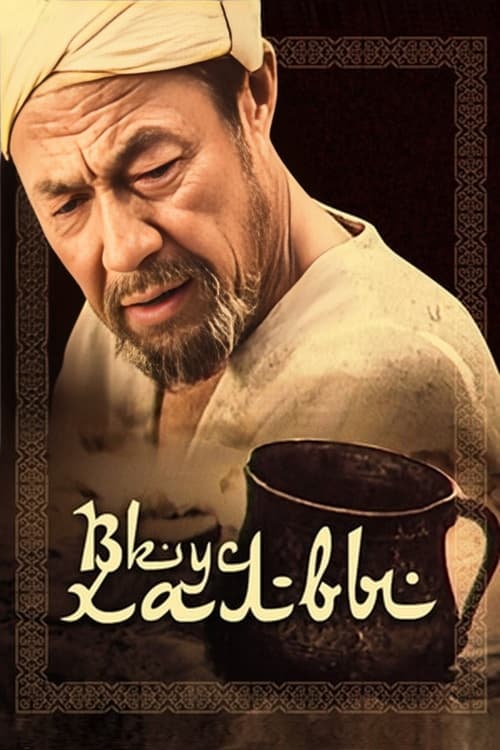
Taste of Khalva
Plot
For many years the great Emir of Bukhara has not known happiness - he has lost the taste to delightful khalva, and now life is as sour as a lemon for him. The house of poor pot-maker Shir-Mamed, however, is full of happiness - his little son Hodzha Nasreddin has been born. Rumours have spread about his unusual abilities - maybe he will be able to make the Emir happy again?
Get the Weekly Woke Watchlist
New and trending movies scored for woke bias, preachy messaging, and forced political themes — before you waste your evening.
No spam. One useful email per week.
Overall Series Review
Categorical Breakdown
Characters are judged by their economic station and moral character; the virtuous are the poor pot-maker's family, and the troubled character is the wealthy Emir. The narrative uses the classic folk hero trope of the clever commoner (Hodzha Nasreddin) to demonstrate meritocracy against unearned aristocratic power. The casting is historically authentic to the Central Asian setting.
The film's critique is aimed at the oppressive, autocratic feudal system of the Emirate of Bukhara, which is antithetical to the progressive worldview promoted by the film's Soviet origin. The narrative celebrates the local culture, craft, and common people while criticizing the corrupt and isolated ruling class, fitting the 'criticism of systems' exception, not civilizational self-hatred.
The core of the protagonists' happiness is the strong, protective family unit of the poor pot-maker, his wife, and their son. There are no elements of the 'Girl Boss' trope, nor is there any emasculation of the male characters. Motherhood and the vitality of the nuclear family are implicitly celebrated as a contrast to the Emir's isolated opulence.
As a 1975 Soviet family film set in a traditional Central Asian culture, the film maintains a completely normative structure. The traditional male-female pairing and nuclear family are the unquestioned standard, and there is no content or lecturing on alternative sexualities or gender theory.
The conflict centers on the Emir's loss of a 'taste for life' or spiritual malaise, which the heroic boy's wisdom is meant to cure. The moral message points toward an objective truth based on common sense, simplicity, and goodness, not a subjective moral relativism. Traditional religion itself is not the source of evil or targeted for vilification; the target is the Emir's personal failing and the excesses of his power.
Get the Weekly Woke Watchlist
New and trending movies scored for woke bias, preachy messaging, and forced political themes — before you waste your evening.
No spam. One useful email per week.