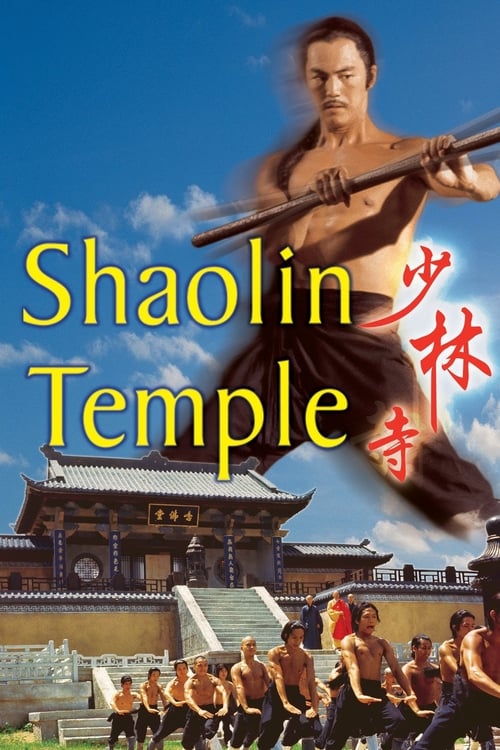
Shaolin Temple
Plot
There is no place more hallowed in the martial art world than China's Shaolin Temple. This special place deserves a special epic, which is what the martial arts maestro delivers in this battle between a brave brand of Chinese boxers and literally thousands of Qing troops - complete with betrayals, intrigues, and such novel fighting machines as 108 wooden robots. The conflicts grow in complexity, intensity and even suspense as monks struggle to stay alive in the face of overwhelming odds.
Get the Weekly Woke Watchlist
New and trending movies scored for woke bias, preachy messaging, and forced political themes — before you waste your evening.
No spam. One useful email per week.
Overall Series Review
Categorical Breakdown
The plot centers on an historical Han Chinese resistance against the Manchu-led Qing dynasty, a specific internal ethnic/dynastic conflict. Character worth is determined by martial skill and moral courage, reflecting a system of universal meritocracy. The casting features an entirely Chinese ensemble portraying Chinese historical figures, showing cultural authenticity rather than forced diversity or race-swapping.
The narrative is built around defending a hallowed cultural and spiritual institution, the Shaolin Temple, which is a symbol of Chinese heritage and a "stronghold against tyranny." The ancestors and traditional institutions are treated with profound respect and gratitude as the source of the heroes' strength.
The movie heavily focuses on male brotherhood, aggressive and protective masculinity, and intense male training sequences, consistent with the director's signature style. While a legendary female figure, the Shaolin nun Ng Mui, is present as a respected master teaching a male disciple, the narrative is overwhelmingly male-centric with no 'Girl Boss' tropes or anti-family messaging.
The film contains no themes related to sexual ideology, alternative sexualities, or gender theory. The setting of an all-male Buddhist monastery and the era of production ensure the narrative adheres to a normative structure, keeping sexuality entirely private and off-screen.
The setting is the Buddhist Shaolin Temple, which is portrayed as a source of transcendent morality, strength, and enlightenment. The head monks are moral leaders who decide to protect the oppressed. Faith and tradition provide the moral compass for the heroes' fight against the tyranny of the Qing forces.
Get the Weekly Woke Watchlist
New and trending movies scored for woke bias, preachy messaging, and forced political themes — before you waste your evening.
No spam. One useful email per week.