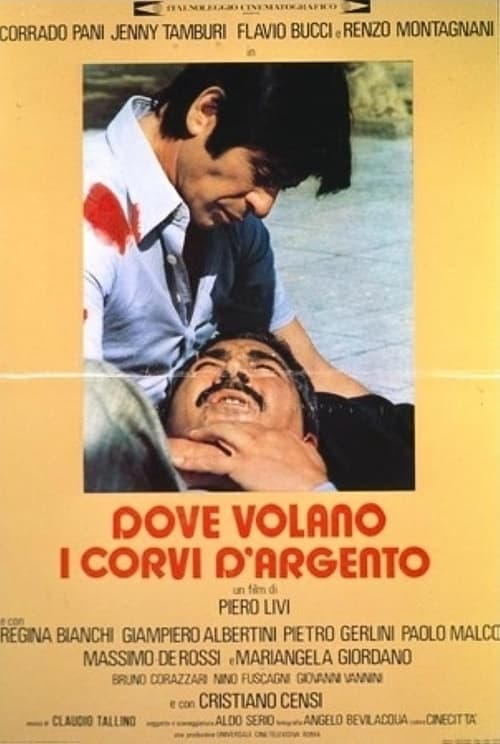
Dove volano i corvi d'argento
Plot
Former shepherds return to Sardinia from Milan in order to avenge a brother wantonly killed by bandits. In describing the grinding contrasts between places and personages of old and new Sardinia, director Piero Livi does not falter, photographing faithfully a desolated land, stuck in the past but alienated from traditional beliefs.
Get the Weekly Woke Watchlist
New and trending movies scored for woke bias, preachy messaging, and forced political themes — before you waste your evening.
No spam. One useful email per week.
Overall Series Review
Categorical Breakdown
Character motivations are entirely focused on family honor, regional cultural codes, and the choice between private vengeance and the state’s law. The narrative does not utilize an intersectional lens, race, or immutable characteristics to define virtue or vilify a group. Casting is regionally and culturally authentic.
The plot fundamentally relies on the condemnation of a core ancestral tradition—the blood feud or vendetta—framing it as a 'sanguinous' and backward code that must be abandoned. This constitutes a direct deconstruction and vilification of a specific aspect of the home culture's heritage. The protagonist finds the moral solution in the modern, legalistic institution of the state, which prevents the score from reaching the highest level of civilizational self-hatred.
The core dramatic tension is a male-centric conflict revolving around male honor, crime, and vengeance. Female characters, including the mother and ex-fiancée, are primarily seen pressuring the male protagonist to uphold the traditional, bloody code of honor. There is no presence of a 'Girl Boss' or 'Mary Sue' trope, and no discernible anti-natal or career-fulfillment messaging.
The film is a crime drama centered on traditional family structures, honor, and regional conflict in 1977. The traditional male-female pairing and nuclear family dynamic are the normative social structure that frames the drama. There is no presence of alternative sexual ideology, gender theory, or deconstruction of the nuclear family.
The movie explores the moral vacuum created by a society that is 'alienated from traditional beliefs' and governed by a lawless code of honor. The protagonist's choice to abandon the 'bloody tradition' in favor of the rule of law, administered by the Carabinieri, suggests a preference for objective moral order over chaos. There is no overt attack on religion or depiction of faith as the root of evil.
Get the Weekly Woke Watchlist
New and trending movies scored for woke bias, preachy messaging, and forced political themes — before you waste your evening.
No spam. One useful email per week.