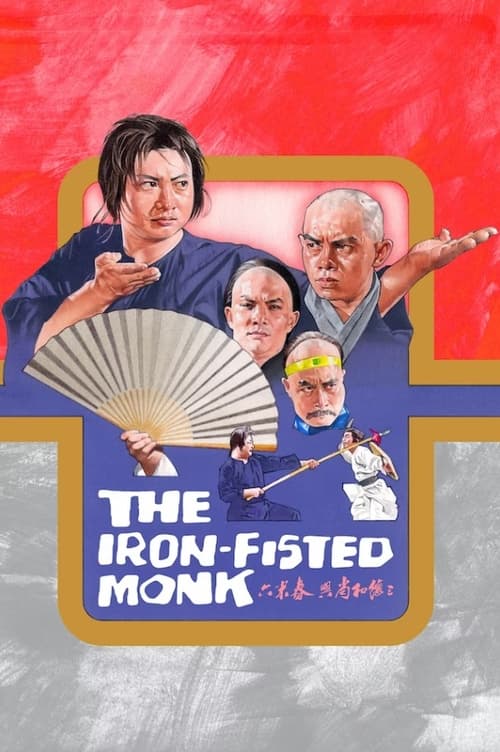
The Iron-Fisted Monk
Plot
Husker is a student of the Shaolin monks, learning kung fu so that he can avenge his uncle who was murdered by the Manchus who control the province. He leaves his training early, desperate to teach the killers a lesson, and teams up with a martial artist monk who is teaching a group of factory workers how to defend themselves. When the Manchus strike again, Husker and his Buddhist pal decide it's time to even the score.
Get the Weekly Woke Watchlist
New and trending movies scored for woke bias, preachy messaging, and forced political themes — before you waste your evening.
No spam. One useful email per week.
Overall Series Review
Categorical Breakdown
The entire central conflict is based on an identity-based power struggle: Han Chinese civilians and folk heroes are the oppressed, and Manchu officials are the brutal, corrupt oppressors. The villains are defined by their status as members of the ruling, occupying ethnic class and their corresponding systemic power. However, the conflict is historical ethnic rivalry and does not employ the modern intersectional framework of 'whiteness' vilification or forced diversity insertion.
The narrative is a strong defense of the Han Chinese culture, community, and tradition (represented by the Shaolin monks and the factory workers) against a corrupt and barbaric ruling power. The heroes are motivated by a desire to defend their home, heritage, and people from tyrannical outsiders. There is no civilizational self-hatred present.
Gender roles are highly traditional and complementary, with men serving as the protectors and avengers. The plot's emotional climax is driven by the severe victimization of female characters, who are subjected to brutal rape and murder by the villains. Women are not presented as 'Girl Bosses' or action leads; their victimization serves to underscore the utter depravity of the male antagonists and justify the male heroes' vengeful masculinity. Motherhood and family are targets for the villain's malice, which the heroes fight to defend.
The film focuses entirely on a traditional, normative social and familial structure, which the antagonists attempt to violently destroy. There is no presence of alternative sexual ideologies, queer theory, or messaging that seeks to deconstruct the nuclear family.
Faith and spiritual discipline are presented as the source of moral and physical strength. The hero gains the power necessary to fight evil by training in the Buddhist martial arts tradition of the Shaolin temple. The monks are the moral arbiters and protectors of the people, embodying a clear, transcendent moral law that opposes the villain's pure depravity.
Get the Weekly Woke Watchlist
New and trending movies scored for woke bias, preachy messaging, and forced political themes — before you waste your evening.
No spam. One useful email per week.