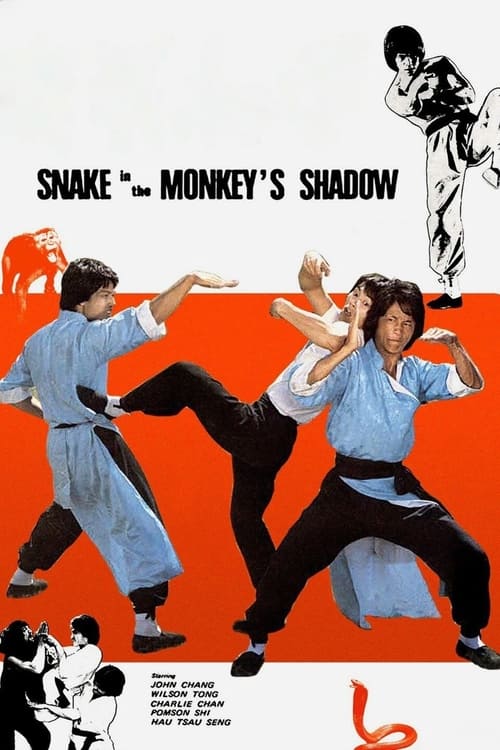
Snake in the Monkey's Shadow
Plot
A young peasant boy who is bullied by local noblemen seeks to learn drunken boxing from the head of a local martial arts school. When the boy beats up his previous tormentors, the nobles patriarch challenges the boys teacher, the drunken master, who defeats the lot of them. Embarrased, the nobles retain two hired snake style killers. They kill everyone except the peasant boy.
Get the Weekly Woke Watchlist
New and trending movies scored for woke bias, preachy messaging, and forced political themes — before you waste your evening.
No spam. One useful email per week.
Overall Series Review
Categorical Breakdown
The narrative is a classic class-based conflict where a poor peasant boy (Lung) achieves victory over corrupt, wealthy aristocrats through discipline and skill, exemplifying a universal meritocracy. All central characters are East Asian, reflecting the Hong Kong cinema context and period authenticity. Character worth is determined by martial skill, effort, and moral integrity, not by immutable characteristics.
The film functions as a celebration of traditional Chinese martial arts, specifically the distinct Drunken and Monkey styles, presenting these ancestral fighting forms as sources of strength, identity, and justice. The central conflict is internal, with the protagonist fighting corruption within his own society, not framed as a fundamental failure of the culture itself. It promotes respect for master-student institutions and tradition.
The film's cast and narrative are overwhelmingly male-centric, focusing on male mentorship, discipline, and combat. The virtual absence of significant female roles means there is no platform for 'Girl Boss' tropes or anti-natalist/anti-family messaging. Masculinity is presented as protective, capable, and essential to restoring order and justice.
The core plot is a traditional martial arts revenge story that contains no themes, dialogue, or characters related to sexual identity, queer theory, or gender ideology. The focus remains strictly on the pursuit of martial arts mastery and vengeance, maintaining a completely normative structure by omission.
The central moral conflict is rooted in a clear, objective good (avenging the murder of mentors) versus evil (vicious assassins hired by the corrupt elite). The film's ethical framework is one of transcendent moral law where justice and honor must be restored through action. It offers no critique of religion and the Drunken Style is treated as a martial art, not a spiritual commentary.
Get the Weekly Woke Watchlist
New and trending movies scored for woke bias, preachy messaging, and forced political themes — before you waste your evening.
No spam. One useful email per week.