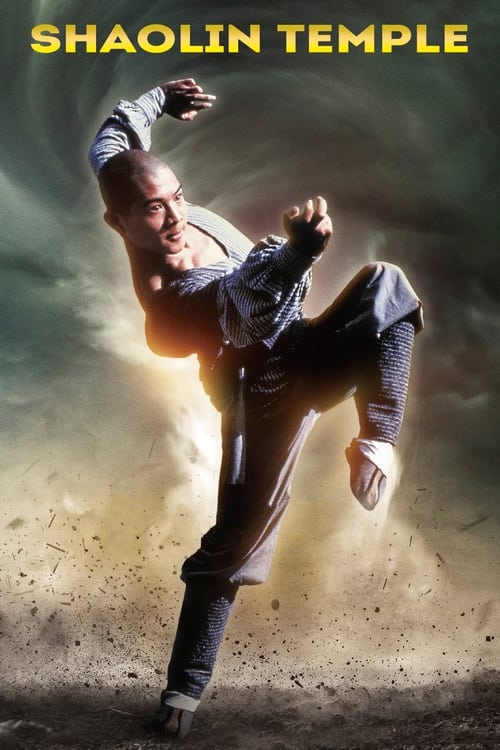
Shaolin Temple
Plot
The Tang emperor is betrayed by one of his generals, who installs himself as emperor in the East Capital. The son of one of his slave workers escapes to the Shaolin Temple, learns kung fu, and sets out to kill the traitor who killed his father.
Get the Weekly Woke Watchlist
New and trending movies scored for woke bias, preachy messaging, and forced political themes — before you waste your evening.
No spam. One useful email per week.
Overall Series Review
Categorical Breakdown
The conflict is based on a clear moral divide between a tyrannical warlord and righteous common people/monks, with characters judged solely on their merit, skill, and moral action. The entirely Chinese cast is historically and culturally authentic, and the narrative focuses on universal themes of justice and tyranny, not intersectional identity or race.
The movie is a powerful celebration of Chinese culture, martial arts heritage, and the ancient institution of the Shaolin Temple. The narrative frames the temple and its tradition as a shield against chaos and a source of national spiritual strength, showing profound respect for the ancestors and home culture.
The primary female character is a skilled martial artist and a romantic interest, but her role is ultimately secondary to the male protagonist's spiritual and heroic journey. She is rescued at a critical moment by the hero. The narrative culminates in the male lead choosing celibate monasticism over a romantic/familial life, reinforcing a traditional heroic path rather than promoting a 'Girl Boss' or anti-natalist message for women.
The core relational structure is a normative male-female pairing that is ultimately foregone for a religious vocation. The film focuses on traditional male-centric monasticism and contains no elements that center alternative sexualities, gender ideology, or deconstruct the nuclear family structure.
The film's central moral and philosophical weight rests on the religious institution of the Shaolin Temple and the Buddhist principles of non-violence and righteousness. Faith is clearly presented as a source of moral strength and a guide to objective truth, directly opposing a theme of moral relativism.
Get the Weekly Woke Watchlist
New and trending movies scored for woke bias, preachy messaging, and forced political themes — before you waste your evening.
No spam. One useful email per week.