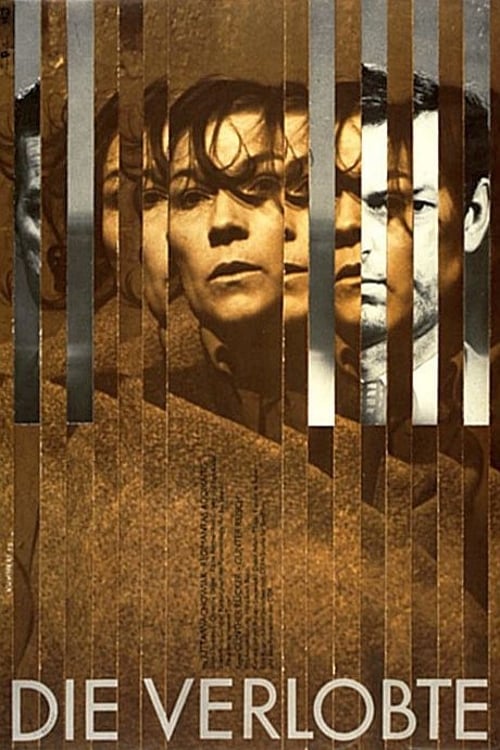
The Fiancee
Plot
The wrenching story of a woman sentenced in 1934 to ten years in prison for antifascist activities. The love between her and her fiancée enables her to survive the tribulations of her time in prison, where she is one of few political prisoners.
Get the Weekly Woke Watchlist
New and trending movies scored for woke bias, preachy messaging, and forced political themes — before you waste your evening.
No spam. One useful email per week.
Overall Series Review
Categorical Breakdown
The central conflict is a purely political and moral one against totalitarian fascism, not a struggle based on race, gender, or intersectional identity hierarchy. Characters are judged solely by their merit and commitment to the anti-Nazi resistance, a universal moral principle. Casting is historically authentic to the German setting.
The hostility in the film is directed entirely at the Nazi political system, an ideology fundamentally antithetical to traditional Western values of liberty and human dignity. The protagonists are defending the human moral order and resisting the corruption of their nation by a chaotic and destructive totalitarian force.
The main character, Hella, is extremely strong and resilient, taking the central role as the political prisoner who endures for a decade. However, her strength is complemented, not replaced, by the protective and equally courageous efforts of her fiancé, Hermann. The entire emotional core is the enduring love and commitment between the pair, celebrating the vitality of their bond rather than embracing an anti-natal or anti-male agenda.
The core of the emotional narrative is the powerful, enduring commitment between Hella and her fiancé Hermann, upholding the traditional male-female pairing as a source of strength against the external chaos. There is no presence of centered alternative sexualities or any deconstruction of the nuclear family structure or gender theory lecturing.
The antagonist is a political ideology, Nazism, and not traditional religion. While the protagonist is a communist, the film's moral framework is defined by an objective moral truth—the inherent evil of fascism—and the heroic adherence to a higher moral law of resistance, rather than an embrace of moral relativism or specific hostility toward Christianity.
Get the Weekly Woke Watchlist
New and trending movies scored for woke bias, preachy messaging, and forced political themes — before you waste your evening.
No spam. One useful email per week.