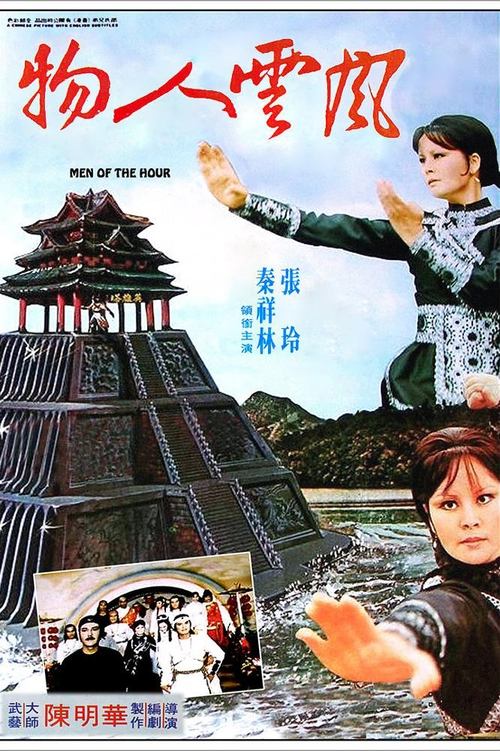
Men of the Hour
Plot
Shang Li is suspected of murder. He runs away, and while the hunters search for him, they have plenty of time to think again. Maybe Shang Li is innocent? Isn't there someone else around with a much better reason to commit that murder? Which takes us into the second half of the movie where much more kung fu fighting takes place than in the first.
Get the Weekly Woke Watchlist
New and trending movies scored for woke bias, preachy messaging, and forced political themes — before you waste your evening.
No spam. One useful email per week.
Overall Series Review
Categorical Breakdown
The movie is a traditional East Asian martial arts production from 1977 with an entirely Asian cast. The narrative is focused on a crime, a chase, and martial skill. The plot does not contain any of the modern hallmarks of identity politics, such as the vilification of whiteness, commentary on Western privilege, or forced insertion of diversity. Characters are judged by their actions, honor, and fighting competence.
As an East Asian film from the 1970s, the concept of hostility toward Western civilization (oikophobia) does not apply. The film is deeply rooted in its own cultural and generic traditions, celebrating a core element of its heritage: kung fu. The story focuses on justice and honor within its own society, viewing its setting and customs as a framework for the conflict.
The casting includes female martial artists, a common feature in this genre, suggesting women possess agency and formidable fighting skill, which is a positive display of female competence. However, this is based on merit, not a 'Girl Boss' trope designed to mock or emasculate men. The gender dynamics are reflective of the traditional 1970s martial arts genre, focusing on complementary fighting skills rather than modern anti-natalist or anti-male messaging.
The film is a 1977 martial arts picture focused on a murder mystery, a manhunt, and fighting. There is no presence of sexual ideology, queer theory, or deconstruction of the nuclear family. The narrative adheres to a normative structure, where sexuality is not a centerpiece, and the focus is on a traditional, high-stakes quest for justice.
As a period martial arts film, the story is focused on moral principles like justice, innocence, and honor. The conflict centers on determining the objective truth of who committed a murder. The movie does not contain any hostility toward religion, specifically Christianity, or promote moral relativism; instead, it acknowledges a higher, objective moral law related to justice and retribution.
Get the Weekly Woke Watchlist
New and trending movies scored for woke bias, preachy messaging, and forced political themes — before you waste your evening.
No spam. One useful email per week.