The Prowler
Plot
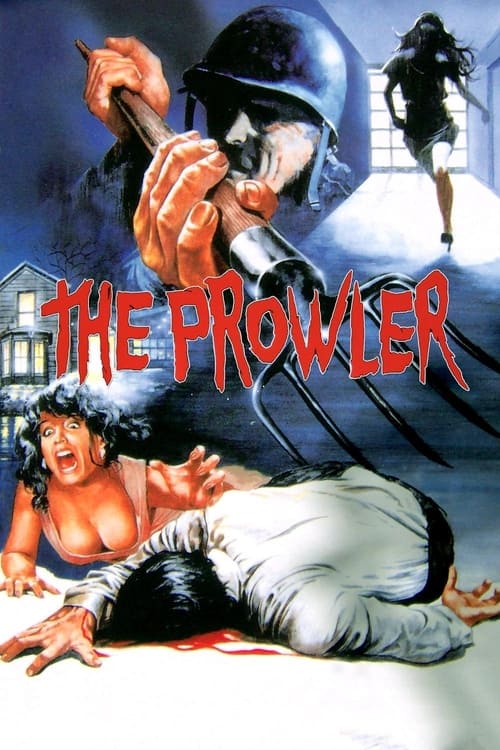
Thirty years after a murder on the night of Avalon Bay's graduation dance, the sleepy town's teens meet grisly ends at the hands of a prowler once thought to be a jilted soldier home from war.
Get the Weekly Woke Watchlist
New and trending movies scored for woke bias, preachy messaging, and forced political themes — before you waste your evening.
No spam. One useful email per week.
Overall Series Review
Categorical Breakdown
Character identity is not defined by race, class, or immutable characteristics. The antagonist's motivation is purely personal, driven by romantic rejection and possible psychological trauma from war. The casting appears to be historically authentic for a small New Jersey town setting in the 1980s without any forced insertion of diversity.
The film avoids direct hostility toward Western civilization. While the killer is a World War II veteran and later the town's Sheriff, framing him as corrupt or broken, this serves as a deconstruction of individual authority, not a systemic demonization of the home culture or its institutions. The narrative focuses on a local tragedy's cycle of violence, not civilizational self-hatred.
The female lead is a classic 'final girl' who demonstrates resilience and resourcefulness in her own defense. The antagonist's initial crime is a toxic male reaction to romantic rejection, a common slasher theme of the time. However, the film does not lecture on 'toxic masculinity' and does not contain explicit anti-natalist messaging or portray all men as bumbling and incompetent.
The narrative centers entirely on traditional male-female pairings, focusing on young lovers as victims and leads. There is no presence of alternative sexual ideologies, gender theory, or political deconstruction of the nuclear family unit. Sexuality remains a private matter and part of the slasher context.
The movie does not engage with religion or spirituality. Morality is purely a function of individual trauma, rage, and a criminal cover-up. Traditional faith is neither portrayed as evil nor as a source of strength, leaving the moral framework entirely secular and transactional, consistent with a visceral slasher film.
Get the Weekly Woke Watchlist
New and trending movies scored for woke bias, preachy messaging, and forced political themes — before you waste your evening.
No spam. One useful email per week.