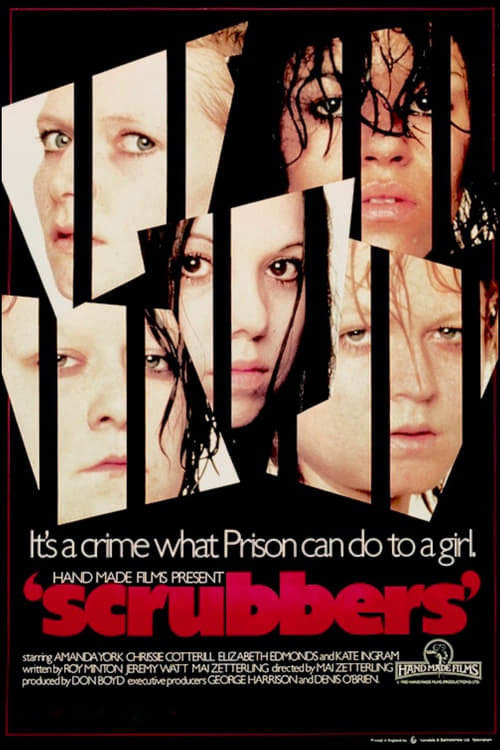
Scrubbers
Plot
Inmates fight, pair off, try suicide and attempt escape at a British reform school for girls.
Get the Weekly Woke Watchlist
New and trending movies scored for woke bias, preachy messaging, and forced political themes — before you waste your evening.
No spam. One useful email per week.
Overall Series Review
Categorical Breakdown
The narrative focuses on class-based systemic oppression, specifically targeting the working-class delinquent girls within the British borstal system. The film does not employ the modern 'intersectional lens' by centering the plot on race, immutable characteristics, or the vilification of whiteness; the characters are defined by their status as institutionalized youth.
The film acts as a trenchant social realist critique of a specific system—the British borstal—framing it as a 'cruel and ineffective' institution that punishes rather than reforms. This is an attack on a failed state structure and its personnel (prison officers) rather than a broad hostility toward Western civilization, national culture, or ancestors.
The movie is explicitly designed as a feminist counterpoint, centering the female experience, power structures, and intense emotional life within an all-female prison. Male figures, such as prison officers or the absent fathers of their children, are frequently portrayed as the source of oppression and past abuse. Female leads display powerful resilience and vitality, though they are not 'perfect' Mary Sues. The plot features a single mother's desperation to reclaim her child, which prevents a full 'anti-natalism' score, but the strong anti-male authority and female-centric focus elevate the rating.
Alternative sexualities are a core element of the plot, with key characters' motivations being driven by their desire to be with their female lovers inside the borstal. Multiple prominent characters are lesbians, including a 'typically butch' figure, placing alternative sexuality at the heart of the personal conflict and relationships in the story. This centering of same-sex relationships as a primary dramatic device results in a high score.
Religion is a peripheral element, appearing through the presence of nuns who are shown offering a small, non-antagonistic form of comfort and communication to an inmate in solitary confinement. The film’s focus is on social and institutional issues, not on a critique of faith, objective morality, or the vilification of religious characters.
Get the Weekly Woke Watchlist
New and trending movies scored for woke bias, preachy messaging, and forced political themes — before you waste your evening.
No spam. One useful email per week.