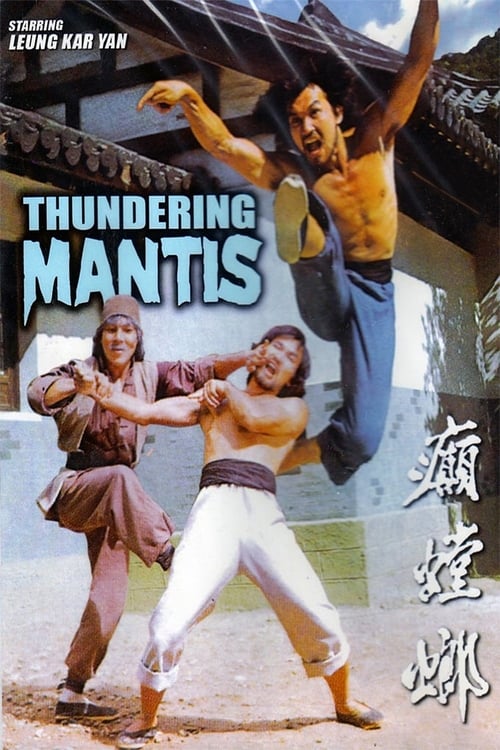
The Thundering Mantis
Plot
Ah Chi (Ka-Yan Leung) is obsessed with the martial arts and, more often than not, his kung-fu clowning gets him into trouble. Ending up facing Hsia (Eddie Ko) of the notorious Jade Brotherhood is inevitable. As a result, Hsia forces Chi's martial arts master to expel him. Masterless and working for a fish vendor, Chi meets a crafty kid (Yat Lung Wong), whose uncle Chow Tung (Chin Yuet Sang) is a master of the Insane Mantis style. The Jade Brotherhood aims for control of the small town but Chi is training with a new Master and will not accept bullies in the neighbourhood.
Get the Weekly Woke Watchlist
New and trending movies scored for woke bias, preachy messaging, and forced political themes — before you waste your evening.
No spam. One useful email per week.
Overall Series Review
Categorical Breakdown
The narrative follows a traditional martial arts trope where the protagonist, Ah Chi, is judged entirely by his skill and dedication to training, representing a pure meritocracy. The conflict is a classic good versus evil scenario between a local hero and a local gang boss, independent of any commentary on race or systemic privilege. The casting is historically and culturally authentic to the Hong Kong setting.
The film centers on defending one’s home and neighborhood from local thugs and is a celebration of a specific martial arts tradition and lineage (the 'Insane Mantis' style). The narrative embraces the importance of the master-disciple relationship and community defense, demonstrating a respect for cultural heritage rather than a hostility toward it.
The core plot focuses on male characters: Ah Chi, his masters, the Kid, and the gang leader Hsia. Women are entirely peripheral to the central themes of martial arts training, vengeance, and fighting the gang. The movie exhibits traditional gender dynamics for the genre and time period, with no presence of a 'Girl Boss' trope or commentary on anti-natalism or career fulfillment.
The narrative is a straightforward, action-focused story of training and revenge. The central relationships are mentor-student and male friendships. There is no presence of alternative sexualities being centered, discussions of gender theory, or deconstruction of the nuclear family unit. Sexuality remains a private matter not subjected to political messaging.
The moral compass of the film is a transcendent, objective one: the Jade Brotherhood is evil because they extort and murder, and the hero's goal is justice and vengeance. The core morality is tied to the traditional codes of martial arts honor. The film does not contain any references or hostility toward traditional religion, especially Christianity, nor does it promote moral relativism.
Get the Weekly Woke Watchlist
New and trending movies scored for woke bias, preachy messaging, and forced political themes — before you waste your evening.
No spam. One useful email per week.