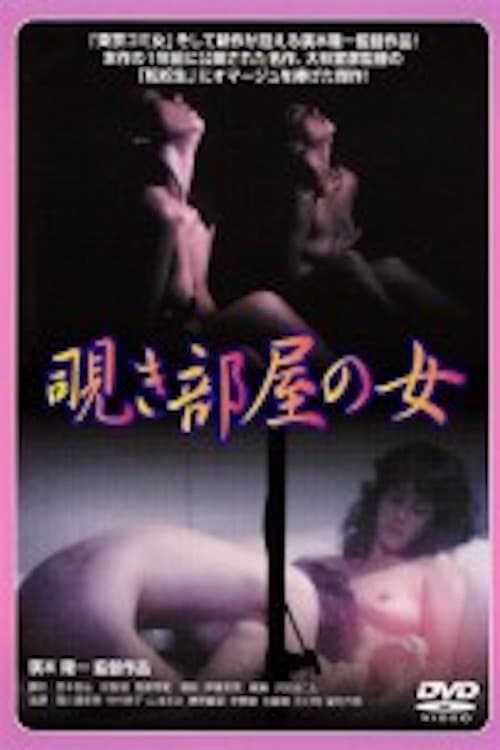
Nishikawa Serina: Nozokibeya no onna
Plot
A parody paying homage to Nobuhiko Obayashi's masterpiece Exchange Students , released a year prior to this film. Amidst the slapstick chaos of a man and woman whose minds and bodies are accidentally swapped, this gem explores the preciousness and poignancy of truly loving someone.
Get the Weekly Woke Watchlist
New and trending movies scored for woke bias, preachy messaging, and forced political themes — before you waste your evening.
No spam. One useful email per week.
Overall Series Review
Categorical Breakdown
The film features an entirely Japanese cast and setting. The conflict is purely based on the universal, biological difference between the sexes after a body swap. There is no focus on intersectional hierarchy, racial identity, vilification of 'whiteness,' or forced diversity, as the themes are purely local and biological.
As a Japanese film, the primary cultural context is Japan. The work is a parody and homage to a previous Japanese film, demonstrating engagement with local cinematic heritage rather than deconstruction or hatred. There is no overt hostility toward Japanese or Western civilization, nor a 'Noble Savage' trope, placing all characters and events within a contemporary Japanese framework.
The core plot mechanism relies on the distinct, often complementary, nature of masculinity and femininity to generate humor and conflict, directly contrasting with the flattening of gender toward the 'Girl Boss' ideal. While there is slapstick based on sex-role reversal, the final poignant message explores the 'preciousness of truly loving someone,' suggesting a romantic, unifying conclusion rather than an anti-natalist or male-emasculating narrative.
The body-swap is treated as a magical accident and a temporary reversal of biological reality, a classical science fiction/fantasy trope. The ultimate romantic resolution centers on the core male-female pairing, reinforcing a normative structure. The film is a softcore work, meaning sexuality is public and part of the plot, but it presents no lecture on gender theory, sexual identity as the most important trait, or deconstruction of the nuclear family.
The film’s genre and plot are focused on physical, carnal, and romantic themes. There is no presence of anti-religious rhetoric. The narrative does not engage with Christianity or any other religion in a hostile way, nor does it promote a philosophy of moral relativism from a political or spiritual standpoint. The focus is on romantic truth, which is a form of objective truth within the plot's theme.
Get the Weekly Woke Watchlist
New and trending movies scored for woke bias, preachy messaging, and forced political themes — before you waste your evening.
No spam. One useful email per week.