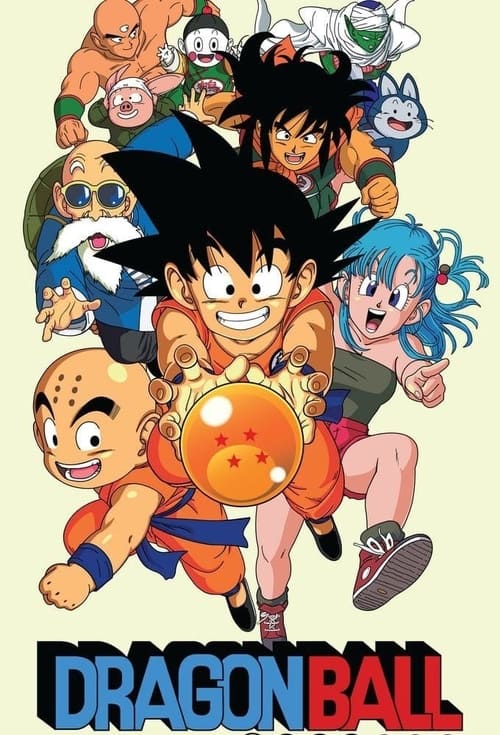
Dragon Ball
Season 1 Analysis
Season Overview
No specific overview for this season.
Season Review
Categorical Breakdown
The narrative focuses entirely on a universal meritocracy where power and respect are earned through training and spiritual purity, not immutable characteristics or social status. The primary conflict is a good versus evil power struggle. There is no commentary on privilege or systemic oppression. The world's various creatures and humans are accepted without reference to 'whiteness.' A score slightly above 1 is due to the presence of a few dated racial caricatures typical of older Japanese media.
The series is a Japanese creation that celebrates Eastern martial arts tradition, discipline, and respect for one's masters and ancestors (such as Goku's late Grandfather Gohan). The Earth's institutions and a basic good/evil structure are presented as a shield against chaos (Emperor Pilaf, Red Ribbon Army). There is no narrative framing that demonizes one's own culture or civilization.
Female lead Bulma is a genius scientist who drives the plot with her intellect and technology, indicating competence and self-sufficiency. This counters the 'men are bumbling idiots' trope. However, the show contains persistent, non-woke gender issues, notably the hyper-sexualized and lecherous behavior of Master Roshi toward young women. Furthermore, the show sets a precedent where female martial artists (Chi-Chi) later adopt a traditional family role, which runs counter to the 'Girl Boss' narrative. The low score reflects the *absence* of modern feminist ideology.
The story operates entirely on a traditional, normative structure focusing on male-female pairings. There is no deconstruction of the nuclear family or promotion of gender ideology. The score is not 1 because one of the villains introduced late in the season, General Blue, is portrayed as an effeminate, implicitly homosexual stereotype, using his sexuality as a point of humor or vilification, which is the opposite of the current progressive mandate to normalize and center alternative sexualities.
The world features a distinct spiritual and cosmological hierarchy, including a literal God of Earth (Kami) and an afterlife overseen by King Yemma. Objective Truth and a higher moral law (the value of pure heart and self-sacrifice) are central to the hero's journey and strength. The deities and spiritual beings function within a moral and bureaucratic system, and the show is not hostile toward the concept of faith or a moral order.