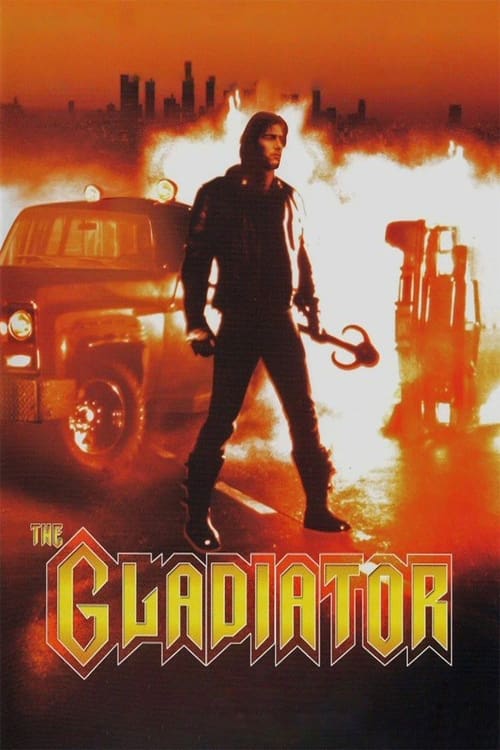
The Gladiator
Plot
A road warrior vigilante avenges his brother's death at the hands of a crazy motorist by using his souped-up pickup to apprehend drunken drivers and others who abuse their driving privileges.
Get the Weekly Woke Watchlist
New and trending movies scored for woke bias, preachy messaging, and forced political themes — before you waste your evening.
No spam. One useful email per week.
Overall Series Review
Categorical Breakdown
The story is a race-neutral vigilante tale where the hero's motivation is personal vengeance and a civic desire to apprehend dangerous drivers, a universal merit of action. Character value is based on skill (Rick’s mechanical ability, his friend’s loyalty) and moral choice (seeking justice), not on an intersectional hierarchy. The cast is diverse for the time, including a Black Vietnam veteran who is a supportive friend, with all characters judged by their content and actions.
The film’s central premise is a defense of home and community order, viewing criminals (drunk drivers, speeders, a serial killer) as chaos invading the societal structure. The vigilante acts as a shield against this chaos, explicitly attempting to enforce the moral law of the road and protect his home city, showing a strong belief in the need to defend Western legal and communal norms, even if through extra-legal means.
The female lead is an independent, professional talk radio host, which is a depiction of an accomplished woman. However, she also falls into a traditional romantic interest role with the male lead, and the central, driving heroic arc is entirely masculine (Rick’s protective vengeance). The narrative avoids 'Girl Boss' tropes by having her be a critic of the vigilante's methods before eventually accepting the man, and there is no anti-natal or anti-family messaging.
Alternative sexualities or gender ideology are not present in the narrative or character motivations. The focus is squarely on vehicular action, personal trauma, and revenge. The core relational structure presented is the traditional male-female romantic pairing and the nuclear family substitute of a man raising his brother.
The moral conflict revolves around the ethics of vigilantism versus the established legal system, which is a secular concern for justice. There is no commentary on or hostility toward organized religion or spiritual practice. The film's morality adheres to an Objective Truth—reckless driving is wrong, and murder is wrong—which is a transcendent moral law even if its enforcement is flawed.
Get the Weekly Woke Watchlist
New and trending movies scored for woke bias, preachy messaging, and forced political themes — before you waste your evening.
No spam. One useful email per week.