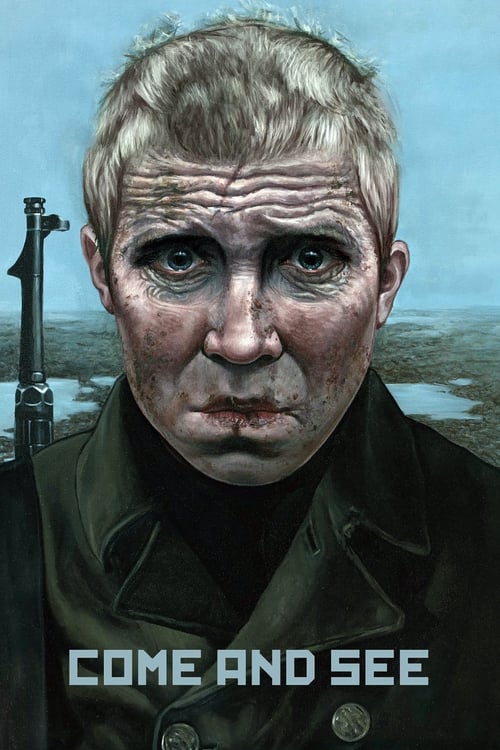
Come and See
Plot
The invasion of a village in Belarus by German forces sends young Florya into the forest to join the weary Resistance fighters, against his family's wishes. There he meets a girl, Glasha, who accompanies him back to his village. On returning home, Florya finds his family and fellow peasants massacred. His continued survival amidst the brutal debris of war becomes increasingly nightmarish, a battle between despair and hope.
Get the Weekly Woke Watchlist
New and trending movies scored for woke bias, preachy messaging, and forced political themes — before you waste your evening.
No spam. One useful email per week.
Overall Series Review
Categorical Breakdown
The core conflict is between the Nazi 'master-race' ideology and the Belarusian civilians. The film is a condemnation of a specific historical genocide, not a lecture on intersectional hierarchy or systemic oppression in the modern sense. Characters are judged solely by their actions as brutal perpetrators or heroic/tragic victims and survivors. Casting is historically authentic to the Soviet-era setting and time period.
The film is a tragic homage to the people of Belarus and the sacrifices made by the Soviet partisans in defense of their home and nation against a brutal foreign invader. It clearly upholds the values of family and resistance against the chaos of totalitarian depravity. Hostility is directed entirely at the Nazi occupation force and their collaborators, not at the culture or ancestors of the victims.
Gender roles reflect the historical reality of the war, where women are predominantly seen as mothers, civilians, or partisans. The female characters, such as Glasha and Flyora’s mother, are depicted as victims and survivors, not as perfect 'Girl Bosses.' The destruction of the family unit is a source of intense horror, which reinforces the value and vitality of motherhood and the family, not an anti-natalist message.
The narrative is a raw, historical depiction of World War II atrocities with a focus on survival and psychological trauma. There is no presence of alternative sexualities, queer theory, or gender ideology. The nuclear family structure is the normative unit whose brutal destruction by the invaders is one of the film's central horrors.
The film’s title is a direct reference to the Book of Revelation, framing the events in a high-stakes, apocalyptic moral context. The struggle is between absolute, transcendent evil (Nazism) and humanity's response to it. The film engages with profound moral and spiritual questions, suggesting an objective moral law that has been violated, and does not frame traditional religion as a source of evil.
Get the Weekly Woke Watchlist
New and trending movies scored for woke bias, preachy messaging, and forced political themes — before you waste your evening.
No spam. One useful email per week.