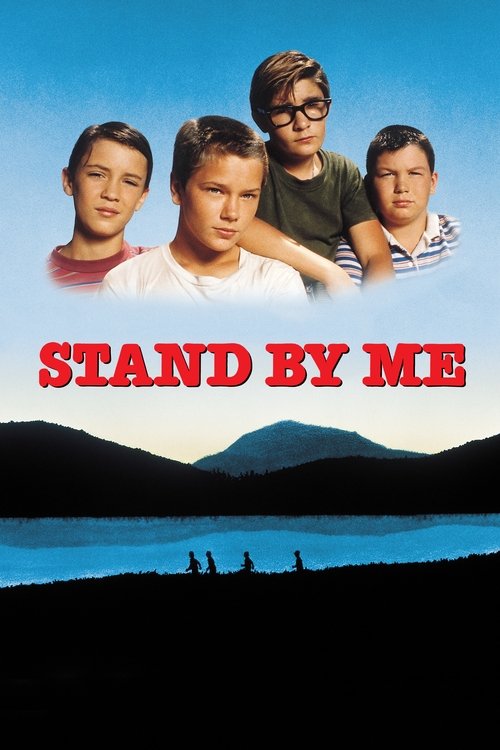
Stand by Me
Plot
After learning that a boy their age has been accidentally killed near their rural homes, four boys decide to go see the body. Gordie, Vern, Chris, and Teddy encounter a mean junk man and a marsh full of leeches, but they also learn more about one another and their very different home lives. Just a lark at first, the boys' adventure evolves into a defining event in their lives.
Get the Weekly Woke Watchlist
New and trending movies scored for woke bias, preachy messaging, and forced political themes — before you waste your evening.
No spam. One useful email per week.
Overall Series Review
Categorical Breakdown
The narrative makes character merit the central focus, specifically Chris’s struggle to be judged by the 'content of his soul' instead of his family's reputation in the small town. The main cast and setting are all white, historically authentic to the 1959 setting in small-town Oregon, without any political lecturing on race or intersectional hierarchy.
The film heavily critiques the parental and familial institutions of the small town, depicting abusive or neglectful fathers and a community that judges children by their family name. The narrative is not a broad demonization of Western civilization but a critique of individual and familial failures; the deep friendship shared by the boys ultimately serves as the shield and source of strength against the surrounding chaos, affirming a transcendent good.
The core of the story is the emotional bond between four young males, providing a realistic study of male friendship and emotional vulnerability. Females are peripheral figures, mostly mothers who are either grieving or neglectful. The movie contains no 'Girl Boss' or 'Mary Sue' tropes and features realistic, crude 'boy talk' that is absent of modern feminist messaging.
The narrative is set in a heteronormative environment typical for 1959. The conversations about sexuality are age-appropriate and focused on girls, aligning with traditional, normative male-female pairing. The film contains no focus on alternative sexualities, deconstruction of the nuclear family as a political concept, or lecturing on gender theory.
The movie does not feature any religious discussion or hostility toward Christianity. The climactic moral decision, where the boys choose to report the body instead of claiming the fame, is rooted in an objective, internal moral code and a belief in doing the right thing, which suggests a Transcendent Morality based on inherent human dignity.
Get the Weekly Woke Watchlist
New and trending movies scored for woke bias, preachy messaging, and forced political themes — before you waste your evening.
No spam. One useful email per week.