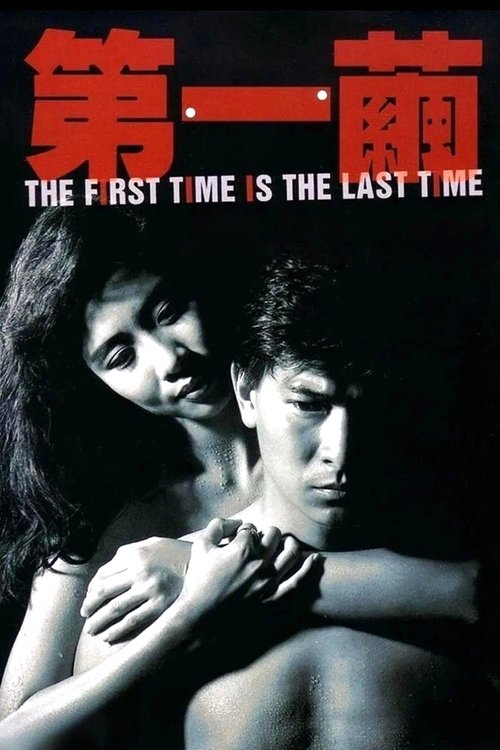
The First Time is the Last Time
Plot
A very dark, realistic women-in-prison film from Angel director, Raymond Leung. Carrie Ng plays Winnie, a young woman who is jailed after avenging her boyfriend's death at the hands of some ruthless gangsters. Once in prison, Winnie befriends another inmate who, secretly because of the underworld massacre, wants her dead.
Get the Weekly Woke Watchlist
New and trending movies scored for woke bias, preachy messaging, and forced political themes — before you waste your evening.
No spam. One useful email per week.
Overall Series Review
Categorical Breakdown
The film is an authentic 1989 Hong Kong production where all main characters are Chinese. The narrative conflict revolves around triad loyalty, poverty, and personal betrayal within a criminal subculture. There is no focus on the vilification of 'whiteness,' forced diversity, or political lecturing on modern intersectional privilege. Character fate is driven by the cruel mechanisms of crime and class struggle.
The plot critiques specific Hong Kong institutions: the violent triad underworld, the social decay that leads to exploitation and poverty, and a corrupt prison system where warders are often morally worse than inmates. This is an intense, internal critique of a corrupt local system and the criminal subculture, which is not a broad philosophical demonization of 'Western civilization' or the core national heritage.
Female characters are central and resilient, but they are not 'Girl Boss' tropes; they are deeply damaged victims of sexual abuse, drug addiction, and exploitation. Male figures are predominantly toxic or abusive (triad members, drug-addicted father, gigolos), which drives the narrative's tragedy, but a positive, protective male figure (an undercover cop) exists who helps the protagonist reform, preventing a pure emasculation of all males. Motherhood is presented complexly as both a factor in a sentence reduction and a relationship maintained with the child's father.
The primary relationships and all plot-critical dynamics are heterosexual, focused on bonds destroyed or complicated by the criminal lifestyle. The film does not center on alternative sexualities, nor does it engage in explicit political lecturing on gender ideology or the deconstruction of the nuclear family. Sexuality, when depicted, is tied to the themes of exploitation and trauma in the protagonist's past.
The movie is a gritty, secular crime melodrama characterized by its intense pessimism regarding the moral state of society and its focus on human depravity. The issues are social and criminal, not theological. Traditional religion is entirely absent from the narrative, neither vilified as the root of evil nor celebrated as a source of moral strength. Morality is subjective and tied to the raw environment of the underworld and the prison.
Get the Weekly Woke Watchlist
New and trending movies scored for woke bias, preachy messaging, and forced political themes — before you waste your evening.
No spam. One useful email per week.