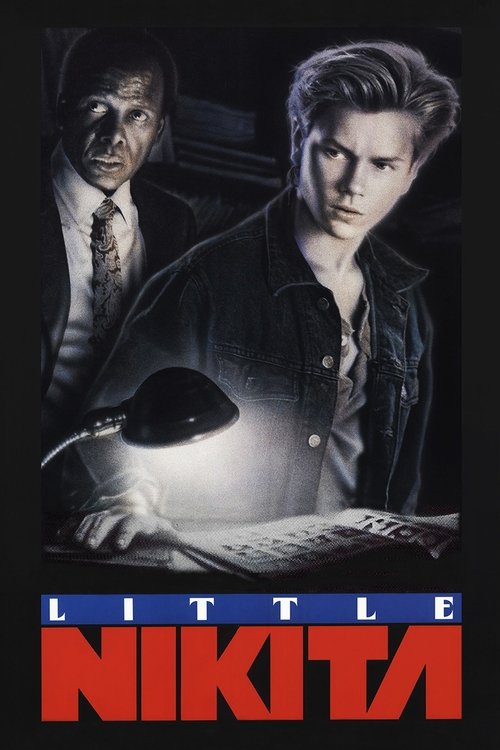
Little Nikita
Plot
An FBI agent works to uncover an all-American family as Soviet sleeper agents, and gets caught up in friendship with their oblivious teenage son.
Get the Weekly Woke Watchlist
New and trending movies scored for woke bias, preachy messaging, and forced political themes — before you waste your evening.
No spam. One useful email per week.
Overall Series Review
Categorical Breakdown
The film’s lead is a highly competent, incorruptible Black FBI agent, Sidney Poitier, whose casting as a pillar of American law enforcement runs contrary to modern intersectional narratives. The family of spies is white, but the conflict is purely ideological (Soviet vs. American), not racial. Characters are judged by their actions and ideological loyalty, supporting the universal meritocracy ideal.
The central premise is the discovery and neutralization of foreign agents (Soviet spies) attempting to subvert the United States. The narrative frames American life (Jeff's 'all-American kid' persona, his desire to join the Air Force Academy, his family’s Americanized suburban life) as the valued norm under attack. The parents who betray America are the antagonists, not the country itself.
The female characters, including Jeff’s mother (a sleeper agent), are secondary to the male-driven action plot involving the FBI agent, the son, and the various male Russian spies/assassins. The film reportedly fails the Bechdel Test. The plot does not feature a 'Girl Boss' trope, nor does it contain explicit anti-natal or anti-family messaging; the threat is the *destruction* of the family unit by espionage.
The movie contains no reference to sexual identity or gender ideology. The nuclear family structure (male-female parents and their son) is the core subject of the spy masquerade. All romantic interactions are strictly heterosexual and peripheral to the main action, maintaining a normative structure.
The core moral law is objective, defining espionage and murder as evil, and the defense of one’s country and family as good. The conflict is political/moral in a classical sense, dealing with loyalty and betrayal. There is no plot element that vilifies religion or Christian characters.
Get the Weekly Woke Watchlist
New and trending movies scored for woke bias, preachy messaging, and forced political themes — before you waste your evening.
No spam. One useful email per week.