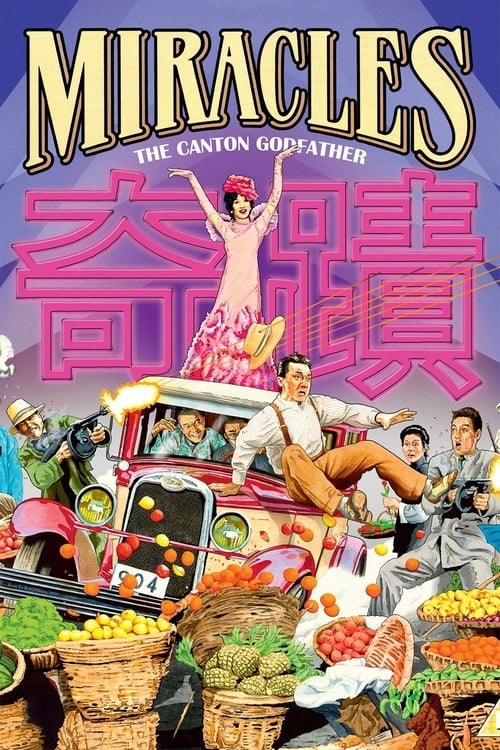
Miracles: The Canton Godfather
Plot
A country boy becomes the head of a gang through the purchase of some lucky roses from an old lady. He and a singer at the gang's nightclub try to do a good deed for the old lady when her daughter comes to visit.
Get the Weekly Woke Watchlist
New and trending movies scored for woke bias, preachy messaging, and forced political themes — before you waste your evening.
No spam. One useful email per week.
Overall Series Review
Categorical Breakdown
Characters are judged solely by their moral character and personal actions—the country boy is a kind boss, the mobsters are loyal, and the good-heartedness of the rose seller is the central force. The entirely Chinese cast in a Hong Kong setting means no forced insertion of diversity or vilification of 'whiteness' occurs. Meritocracy and luck are the drivers of the protagonist's rise.
The film is an affectionate period piece set in 1930s Hong Kong. It showcases Chinese culture, fashion, and social mores, treating the setting as a vibrant backdrop for an engaging story. The entire community of the gang and the nightclub staff mobilizes to protect the honor of the elderly Chinese woman and her family, displaying a strong sense of community and cultural pride.
Gender roles operate within a traditional, complementary structure. The main female characters are the mother figure, who is respected and loved, and the female lead, a singer who is beautiful and supportive of the male lead's plans. Motherhood and family honor are the entire emotional core of the film's main plot, which runs counter to anti-natalist messaging. The male lead is protective and competent, not emasculated or bumbling.
The story adheres to normative structure. The central relationships are the heterosexual romance between the male lead and the female singer, and the traditional, marital arrangement between the rose seller's daughter and her fiancé. Sexual identity is not a focus of the plot, and there is no presence of gender ideology or queer theory lecturing.
The film is explicitly built around the idea of 'miracles,' a simple faith in good fortune and good deeds (represented by the lucky roses) bringing about positive change. The narrative affirms that selflessness and goodness have a moral, transcendent reward, aligning with Objective Truth and a higher moral law in the context of folk morality. Traditional religion is not a factor for conflict.
Get the Weekly Woke Watchlist
New and trending movies scored for woke bias, preachy messaging, and forced political themes — before you waste your evening.
No spam. One useful email per week.